
A burst flexi hose under the kitchen sink, a leaking hot water system or a washing machine that overflowed overnight. However it happened, you now have wet carpet, and one of the first questions most people ask is how long it will take to dry.
This guide explains what affects how long wet carpet takes to dry, why getting the water out comes first, and how you can tell when carpet is genuinely dry rather than just dry to the touch.
Water still in the house? Start here
If water is still on the floor or still coming in, the drying question can wait a few minutes. These first steps matter more.
- Keep clear of electrical hazards. Don’t walk on wet carpet near power points, power boards or plugged-in appliances. Only switch off power at the switchboard if you can reach it without standing in water. If you’re unsure, stay out and call a licensed electrician.
- Stop the water, if it is safe to do so. For a burst pipe or appliance leak, turn off the water at the meter or the isolation tap, then call a plumber. A leaking hot water system can also be a scald and electrical risk, so follow the shut-off instructions on the unit or ask your plumber.
- Treat water from outside, the toilet or drains as contaminated. Keep children and pets out, avoid contact, and don’t try to clean it up yourself.
- Take photos before you move anything. Photograph each wet room and note when you found the water. Your insurer will usually ask for this.
- Lift what you can, if it is safe to do so. Move small valuables, electrical items and anything that can bleed dye (such as rugs or timber furniture with wet legs) off the carpet.
- Get the water extraction started. The sooner recoverable water is removed, the less water there is to dry out of the carpet, underlay and floor.
If you’re not sure where the water came from, or it’s more than a small spill, call our team 24/7 on 1800 739 867. We’ll talk you through the next step.
How long does wet carpet take to dry? The honest answer
There isn’t one honest number that fits every home. Wet carpet drying time depends on how much water got in, how long it sat, where it came from, what’s underneath the carpet, and how the drying is managed.
A small spill that only dampened the carpet surface is a very different job from a burst pipe that has soaked the carpet, the underlay and the floor beneath. Two rooms in the same house can also dry at different rates.
That’s why professional restorers don’t work to a set number of hours. Carpet is dry when moisture readings show that the carpet, underlay and subfloor have reached their drying goals. It isn’t dry just because it feels dry, or because the fans have been running for a while.
What affects how long carpet takes to dry
How much water, and for how long
The more water that soaked in, and the longer it sat before extraction, the more moisture has moved down into the underlay, the floor and the bottom of walls and skirting boards. Water also spreads sideways under carpet, so the wet area is often larger than the visible patch.
Where the water came from
The source affects more than drying time. It also decides whether carpet should be dried at all. Clean water from a burst supply pipe gives carpet a much better chance of being dried in place. Water from an appliance overflow, a toilet, sewage or floodwater from outside carries contamination, and that changes what can be kept. Our guide to water categories explains the difference.
The underlay and the floor beneath
Underlay holds a lot of water. A concrete slab tends to give up moisture slowly, and timber or particleboard floors can swell or move if they stay wet. When the floor beneath is wet, the drying plan has to deal with it too. The carpet’s fibre (wool or synthetic) and backing also play a part.
Brisbane humidity and weather
Brisbane’s warm, humid weather affects drying. Humid air can’t take up as much moisture, so opening windows on a muggy day may help less than you’d expect. Warmth can also encourage microbial growth in damp materials. That’s one reason controlled drying with dehumidifiers is used, rather than relying on the weather.
How the drying is set up and checked
Extraction quality, the number and placement of air movers and dehumidifiers, whether carpet edges are lifted or wet underlay removed, and how often readings are taken all affect progress. Drying that isn’t measured can stop too early.
Why extraction comes first
Extraction removes as much water as possible before drying starts. Every litre pulled out of the carpet and underlay is a litre that doesn’t have to evaporate.
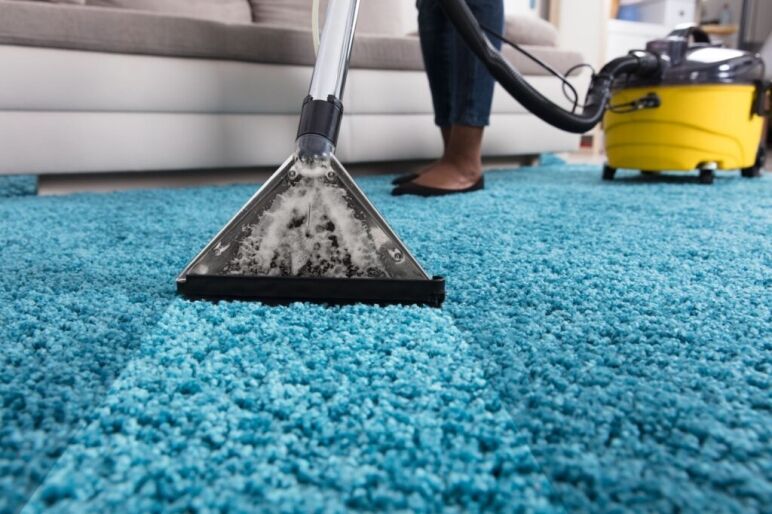
A household wet vac leaves a lot of moisture behind in the layers below. Commercial water extraction equipment draws water out of the carpet and underlay, and technicians pay attention to edges, skirting boards and doorways where water collects.
What happens during structural drying
Once the recoverable water is out, drying targets the moisture left in the materials and the building. Depending on what we find, a drying plan may include:
- Air movers placed to move air across the carpet, or under lifted edges
- Dehumidifiers to pull moisture out of the air so the materials can keep drying
- Lifting carpet edges or removing wet underlay so the floor beneath can dry
- Checking walls, skirting boards and nearby rooms for moisture that has travelled
- Regular moisture readings compared against drying goals, so equipment can be adjusted and progress recorded
Our guide to how structural drying works goes into more detail.
“It feels dry” isn’t the finish line
Carpet can feel dry on top while the backing, underlay or floor beneath is still wet. If carpet is relaid, or furniture goes back, on a damp floor, the moisture can stay trapped.
That trapped moisture can lead to musty odours, staining, delamination of the carpet backing and mould growth. Porous materials that stay wet, or that develop visible mould, may not be able to be cleaned and kept. This is why extraction and drying are worth starting early, and why readings, not touch, decide when carpet is dry.
Things that can slow drying down
- Waiting to see if it dries by itself. Moisture keeps moving into the underlay and floor while you wait.
- Running household fans over contaminated water. If the water came from outside, a toilet or a drain, fans can spread contaminants. Keep clear and get advice.
- Steam cleaning wet carpet. It adds heat and more moisture. Leave cleaning decisions until the source and condition are assessed.
- Pulling up carpet yourself. Wet carpet stretches and tears easily. In homes built before 1990, older floor coverings under the carpet may contain asbestos, so don’t disturb them. Ask about a licensed asbestos assessor if you’re unsure.
When to call for professional wet carpet drying
It makes sense to get professional help when:
- the carpet is soaked, not just damp on the surface
- the water came from a burst pipe, hot water system, appliance or roof leak and has spread
- the underlay, skirting boards or nearby walls are wet
- the water came from outside, a toilet, sewage or drains
- there’s a musty smell, or the carpet still feels damp after a day or two
- you’re making an insurance claim and need the drying documented
Reztor’s own in-house team (we don’t use subcontractors) starts by assessing the water source and how far it has travelled. We check the carpet, underlay and floor beneath, explain what may be dried and what may need removal, then extract, set up controlled drying and monitor progress with moisture readings. If you’re in Brisbane, our wet carpet drying Brisbane page explains how the assessment and drying work.
Insurance and documentation
We keep records such as photographs, moisture readings, affected-material notes and drying progress. Reztor provides restoration and supporting documentation. Your insurer determines policy coverage and claim outcomes. Our guide to working with your insurer explains how these records fit in.
Wet carpet is stressful, especially when you’re not sure how much of the floor is affected. You don’t have to work it out alone. Call our team 24/7 on 1800 739 867, or send details and photos. Tell us your suburb, where the water came from and which rooms are wet, and we’ll talk you through a clear next step.
Wet carpet drying FAQs
Can I dry wet carpet with household fans?
For a small spill of clean water on the carpet surface, household fans and good airflow may be enough. For soaked carpet, they rarely reach the underlay and floor beneath, and they shouldn’t be used where the water may be contaminated. If the wet area is large or keeps feeling damp, get it assessed.
Does Brisbane’s humidity make carpet take longer to dry?
It can. Humid air takes up less moisture, so natural drying is often slower on warm, muggy days. Dehumidifiers help by removing moisture from the air so the carpet and floor can keep drying.
Do I need to lift the carpet to dry it?
Not always. Sometimes carpet can be dried in place. In other cases, edges are lifted or wet underlay is removed so the floor beneath can dry. The decision depends on the water source, how wet the layers are and the carpet’s condition.
How do you know when carpet is dry?
Technicians use moisture meters to check the carpet, underlay and subfloor and compare readings against drying goals. Feel alone isn’t reliable, because the surface often dries before the layers underneath.