Reztor Restoration 24/7 emergency1800 739 867
Call 24/7 Send photos
Queensland & interstate response areasFlood clean-up & drying
01 Start beneath the surface

Flood damage restoration. Assess, extract, then dry.

Flood damage restoration after a Queensland river, creek or overland-flow flood is a different job from a household leak. Reztor’s own team assesses the water source and affected materials, extracts floodwater and plans the cleaning and drying from a clear scope. We work across Queensland, and also attend New South Wales and Victoria. For Brisbane-specific flood work, see flood damage restoration Brisbane.

Make the area safe first. Keep clear of wet power points and appliances. Stop the source only if safe. If anyone is in danger, call 000.

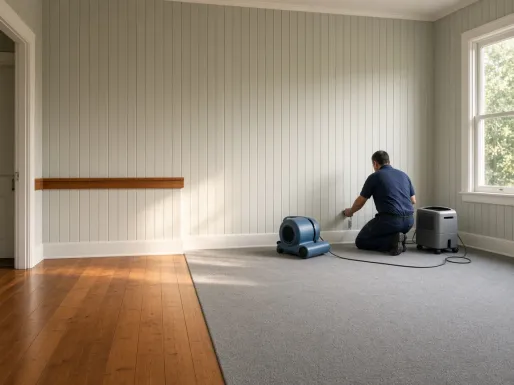
Assessment + dryingIllustrative flood clean-up assessment with extraction equipment
Look beyond the surface. We assess carpet, underlay and accessible subfloor before deciding what can be dried in place.
Process illustration
01 / CONTACT24/7 contactCall any time
02 / STANDARDIICRC Certified FirmMeasured restoration
03 / PEOPLEOur own teamNo subcontracting
04 / EXPERIENCERestoring since 2012Australian properties
02 Why Reztor’s own team matters after a flood

A dry surface isn’t the whole story.

Underlay can hold water after the carpet pile feels dry. Skirtings and the floor beneath may need attention too.

Safety first

Follow local emergency advice and stay clear of floodwater and electrical hazards. From a safe place, call 1800 739 867 to discuss restoration next steps for your suburb.

Where moisture can hide beneath carpetAn illustrative building cross-section showing carpet, underlay and subfloor, with moisture moving below the apparently dry carpet surface. ILLUSTRATIVE SECTION / NOT TO SCALE Carpet pileUnderlay can retain moistureSubfloor Where moisture can hide beneath carpetA vertical illustrative cross-section showing the carpet surface, underlay that may retain moisture, and the subfloor below. ILLUSTRATIVE SECTION / NOT TO SCALE 01 Carpet pileThe surface may feel dry. 02 Underlay + subfloorRead for retained moisture beneath.
Read the layers, not just the surfaceMoisture pathways vary with the water source, materials and construction.

What happens after floodwater enters?

The visible patch is only one clue. Tell us where the water came from, when it started and whether it is still entering.

  1. Standing floodwaterExtraction starts once it is safe to enter — tell us access constraints.
  2. Contaminated waterOutside floodwater changes the category of materials and cleaning required.
  3. Wet contents and finishesAssessment identifies what can be cleaned or dried versus what may need disposal.
  4. Hidden moistureWalls, underlay and subfloors can stay wet after the surface looks clear.
  5. Business continuityCommercial sites need coordinated access, drying and documentation.
  6. Insurance recordsPhotos, readings and job notes support the claim conversation. Your insurer decides cover.
03 The drying plan

Five steps.
No guesswork.

The water source, affected materials and site conditions shape the work. Each step builds a clearer picture of what happens next.

  1. 01

    Inspect

    Assess water category, affected materials and safe access.

  2. 02

    Extract

    Remove standing water with commercial extraction equipment.

  3. 03

    Dry

    Plan drying for materials suitable to retain, with monitoring.

  4. 04

    Monitor

    Update progress from moisture readings rather than a fixed timetable.

  5. 05

    Document

    Provide restoration records; plumbing and building repairs stay separate trades.

04 The hidden picture

See what the surface can’t tell you.

A wet patch is one clue. Moisture readings show where water has travelled; extraction and drying address what comes next.

Illustrative flood-affected floor area during assessmentAssess
Moisture readings and source check before drying.
Illustrative drying equipment after flood water extractionDry
Dehumidifiers and air movers, checked against readings.

Side-by-side illustrations of assessment and drying. Not documentary Reztor job photos.

05 Connected work

Connected water damage services.

Once we understand the source and affected materials, we explain the applicable next steps.

01 / WATER

Water damage restoration

Assessment, extraction and structural drying shaped around the affected rooms and materials.

Water damage services
02 / EXTRACT

Water extraction

Standing water removal, then moisture testing and drying — extraction alone is not the full job.

Water extraction
03 / MOULD

Mould assessment

If growth is present or likely, we investigate the moisture and affected materials before remediation.

Explore mould remediation
04 / RECORDS

Insurance documentation

Photos, readings and job records help explain the damage and work. Your insurer decides policy coverage.

Read about insurance claims
06 Where we respond

Flood clean-up across our service areas.

Call with your suburb and what happened. We confirm attendance and the next step for your address.

Reztor Australia Pty Ltd
9/35 Learoyd Rd, Acacia Ridge QLD 4110

Service area Confirm your address

Call 1800 739 867 with your suburb and a description of the incident. Attendance depends on location, access, urgency and demand. No suburb directory was present on this page to preserve.

Not sure which area applies? Check service areas or call 1800 739 867.

07 Good to know

Questions, answered plainly.

Every property is different. Call with your suburb, what happened and whether water is still entering.

01What should I do after my property floods?

Follow local emergency advice and stay clear of floodwater and electrical hazards. From a safe place, call 1800 739 867 to discuss restoration access and assessment.

02How soon can you attend?

Call with your suburb and a description of the incident. Attendance depends on your location, access, urgency and current demand, particularly during widespread flooding. We will discuss a realistic expectation.

03How long does cleaning and drying take?

Timing depends on the water source, time wet, affected materials and site conditions. Moisture monitoring guides progress; a fixed completion time cannot be confirmed before assessment.

04What is the purpose of drying?

The drying plan addresses moisture in materials that the assessment identifies as suitable to retain. Monitoring helps guide decisions about progress and any further work needed.

05Who carries out the restoration?

Reztor’s own team carries out our restoration work. We do not subcontract it. Plumbing, electrical work and building repairs are separate trades to arrange where required.

06Can all affected materials be dried?

No. Suitability depends on contamination, condition, time wet and access. We explain which materials may be dried and which may need removal or replacement.

07Will the equipment be noisy?

Drying equipment produces noise and may need to run for extended periods. Discuss room access, occupancy and operating arrangements with the team before work starts.

08How is the cost determined?

Costs depend on the affected areas, cleaning requirements, equipment and monitoring needed. Contact us to discuss assessment and the proposed scope before authorising work.

08 Start with clear details

Tell us what’s happened.

Share the site address, what is wet and the best way to reach you. Calling does not commit you to work.

Need to talk now?1800 739 867Answered 24/7 · Our own Reztor team