Reztor Restoration 24/7 emergency1800 739 867
Call 24/7 Send photos

Hard Surface Cleaning by Reztor’s Own Team

Assessment and cleaning for tiles, grout, stone and timber

A cleaning method suited to your floor and finish

Different hard surfaces need different cleaning methods. Reztor assesses the material, finish, condition and type of soiling before recommending work for your tiles, grout, stone or timber.

Our own team carries out Reztor’s restoration work. We do not subcontract it. We explain the proposed scope, expected limitations and care requirements before proceeding.

Discuss discoloured grout and built-up grime

Grout lines and textured surfaces can hold dirt that is difficult to address with routine cleaning. Tell us which areas are affected and what products have already been used so we can discuss suitable treatment.

Cleaning does not repair cracked grout, loose tiles, worn finishes or an underlying moisture problem. These may need separate assessment or repair.

The material and finish guide the treatment

Natural stone, ceramic tile, timber and coated surfaces do not all tolerate the same products or methods. Care instructions, sealers, existing damage and previous treatments help inform the assessment. The surface types below are examples you can discuss with us; suitability is confirmed for the individual job.

hard surface floor cleaner

Tiles

hard surface floor cleaner

Timber

hard surface floor cleaner

Stone

hard surface floor cleaner

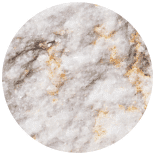
Marble

hard surface floor cleaner

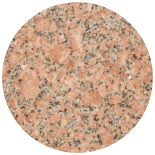
Granite

hard surface floor cleaner

Limestone

hard surface floor cleaner

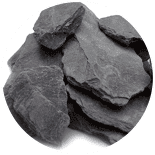
Slate

hard surface floor cleaner

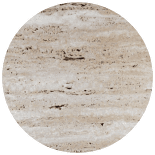
Travertine

hard surface floor cleaner

Porcelain

hard surface floor cleaner

Ceramic tile

hard surface floor cleaner

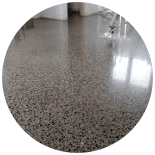
Polished concrete

hard surface floor cleaner

Vinyl

Provide the product name or material details if you know them, along with photos of the affected area. We will discuss appropriate cleaning options and any limitations before work starts. Testing a small inconspicuous area may form part of the assessment.

Talk to our team about your surface and the proposed scope

What to expect from a hard-surface clean

Assessment, agreed treatment and aftercare

Assess the surface

Identify the material and finish, inspect its condition and discuss the affected areas. Tell us about previous products, sealers or repairs.

Agree on access and preparation

Confirm the work area and what furniture or belongings can be moved. Discuss access restrictions and protection of surrounding finishes before starting.

Remove loose soil

Use an appropriate dry-soil removal method before further treatment, taking account of the surface and its condition.

Select the treatment

Choose the proposed products and technique for the material, finish and soiling. A small test area may be appropriate before broader application.

Clean the agreed areas

Carry out the selected cleaning method. Pressure, heat or mechanical agitation are used only where appropriate; they are not suitable for every surface.

Remove cleaning residues

Rinse or recover residues as appropriate to the treatment and manufacturer care requirements. Different finishes may need different handling.

Explain drying and access

Discuss when the treated area can be used again and any precautions while it dries. Follow the job-specific instructions rather than assuming a fixed waiting period.

Review the result

Discuss any remaining marks, wear or damage and provide aftercare advice. Repairs, refinishing or other work outside the cleaning scope should be considered separately.

Arrange an assessment and discuss the cleaning options

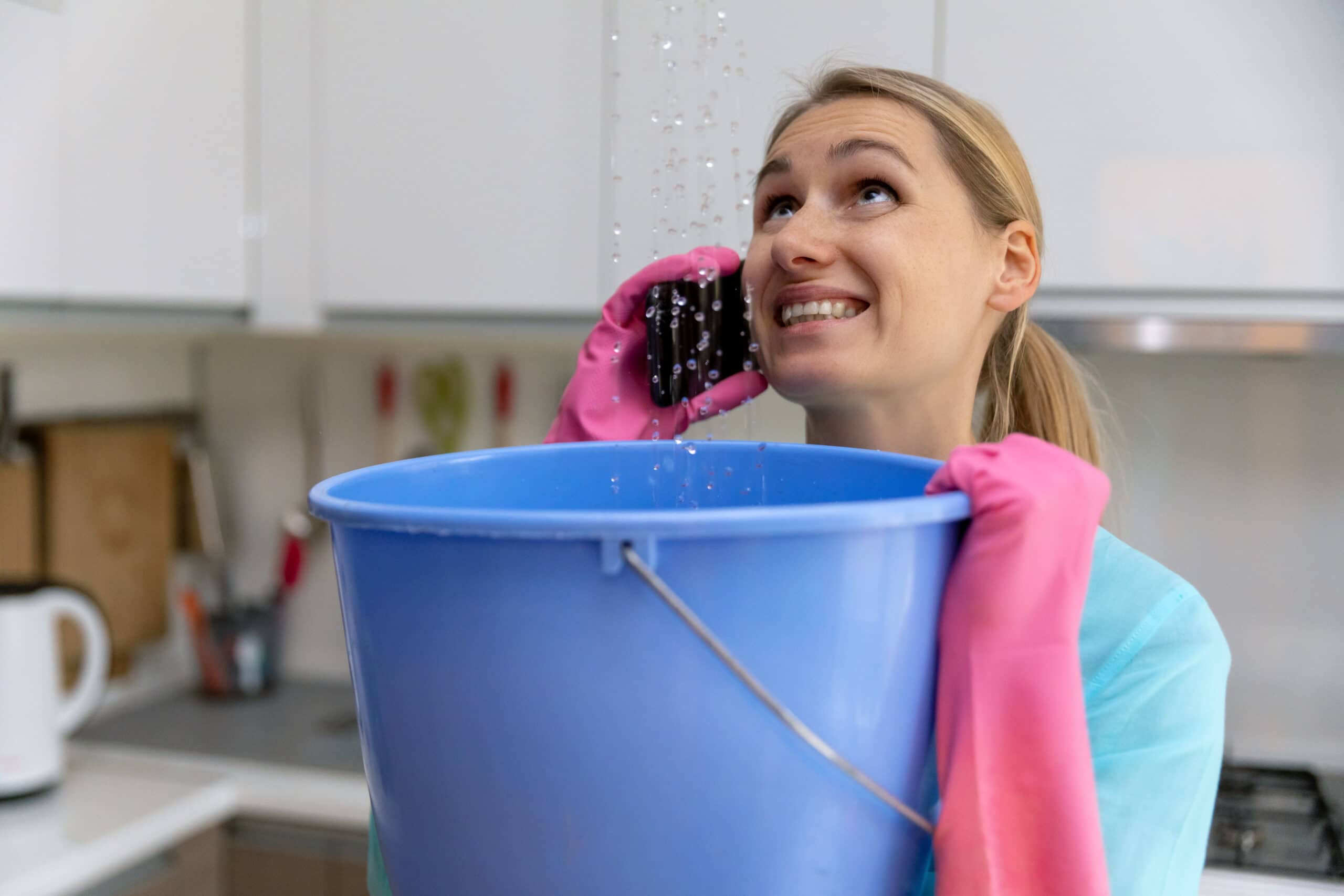
Apartment flooded by upstairs worried woman calling repair service while water leaking from ceiling in bucket

Need urgent restoration help

Reztor Restoration provides 24/7 emergency response for water damage, mould, sewage, fire and commercial restoration work. Our team can assess the damage, start urgent mitigation works and document the affected areas for insurance purposes.

Insurance Documentation

Reztor provides clear job documentation to support the insurance claim process. This may include

Our aim is to give the customer, insurer, loss adjuster and repair team a clear record of the restoration work completed.

Document drying
Reztor logov transparent

Why Choose Reztor

Why choose Reztor Restoration? We use trained restoration technicians, advanced drying and inspection equipment, practical reporting processes and a standards-based approach to restoration. Reztor is built for emergency response, insurance-related work, commercial restoration and large-loss situations where fast action and clear documentation matter.

Customer satisfaction

Safe Customer Steps

While waiting for help, stop the water source if safe, avoid electrical hazards, keep people away from contaminated areas, move valuables only if safe to do so, and take photos of the damage before moving items. Do not use household fans on sewage or contaminated water damage. 

What we consider when planning your clean

The material, finish and existing condition

The type and extent of soiling

Stains, discolouration and previous treatments

A method suited to the affected surface

Care instructions and any sealer or coating

Work by Reztor’s own team — no subcontracting

Equipment suited to the surface and access

Suitable products and any test-area requirements

Clear scope and quotation arrangements

Review of the result and practical aftercare

Discuss tile, grout, timber or stone cleaning with Reztor

CONTACT REZTOR

Enquiries taken 24/7

Phone orange

CALL US NOW!

1800 REZTOR

Frequently Asked Questions

1
Which hard surfaces can I enquire about?

You can discuss tiles, grout, natural stone, timber and other hard flooring with our team. Suitability depends on the actual material, finish and condition. Send photos and product or care information where available so we can confirm the proposed service.

2
Do you use the same cleaning method on every floor?

No. The method and products must suit the material and finish. A technique suitable for ceramic tile may not suit natural stone, timber or a coated floor. We assess the surface and discuss the approach before proceeding.

3
Can cleaning remove all grout stains and discolouration?

Not always. Some marks reflect permanent staining, wear, earlier chemical damage or a moisture problem. Cleaning may improve soiling, but damaged grout or underlying issues may need separate repair or assessment.

4
Who carries out the work?

Reztor’s own team carries out our restoration work. We do not subcontract it. You can discuss the proposed scope, access arrangements and aftercare directly with us.

5
Is high-pressure cleaning suitable for all hard surfaces?

No. Pressure, heat, moisture and agitation must be considered against the material, finish and existing condition. We select a method for the job instead of treating every hard surface the same way.

6
Does cleaning include sealing, polishing or repairs?

These are separate considerations and should not be assumed to be included. We explain the proposed cleaning scope and discuss whether another service or repair assessment is needed. Existing scratches, cracks or worn coatings may remain after cleaning.

7
What should I prepare before the appointment?

Have any manufacturer care information and details of sealers or earlier products available. Tell us about access, furniture and fragile items so movement and protection arrangements can be agreed. Avoid applying additional products simply to prepare for the assessment.

8
When can I walk on the cleaned area?

Follow the instructions provided for the surface and treatment. Wet hard flooring can be slippery, and some treatments require a period before normal use. We discuss access and aftercare for the specific job.

9
How is the price determined?

The material, area size, condition, type of soiling, access and proposed treatments influence the work. We explain the assessment and quotation arrangements and confirm what is included before proceeding.

10
What if the floor has water damage or suspected mould?

Tell us when you enquire. Those concerns may require a restoration assessment beyond routine surface cleaning, including investigation of the moisture source and affected materials. Cleaning the visible surface alone does not establish that the underlying issue has been resolved.