


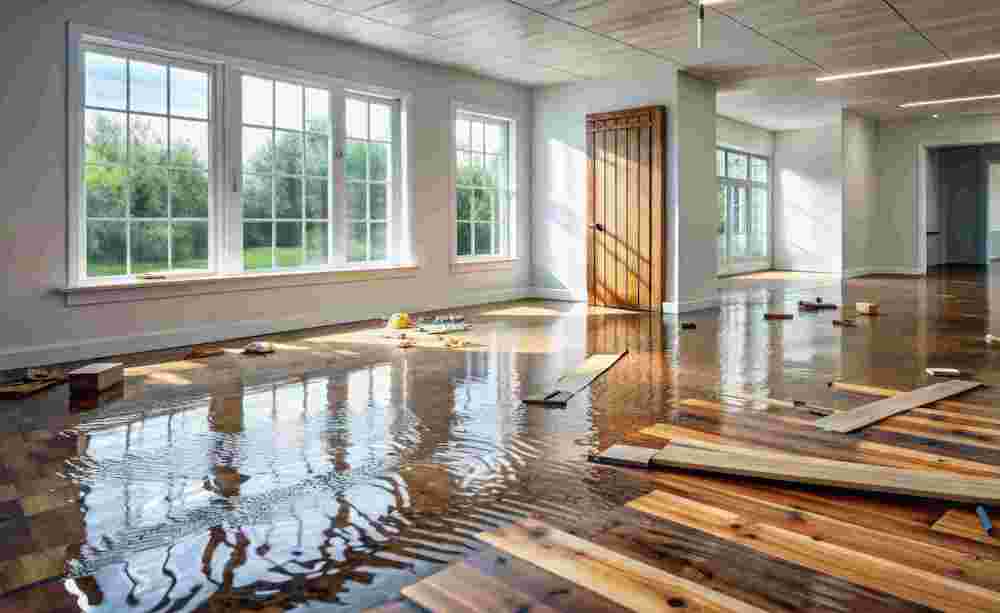
When water damage occurs in a home or business, the immediate concern is often about structural damage, repairs, and recovery. However, lurking behind the visible damage is an even more insidious problem: mold. Mold thrives in damp environments, and after water damage, it doesn’t take long for mold to begin its growth cycle. The rapid development of mold poses risks not just to the integrity of the building, but also to the health and well-being of its occupants. This article will explore how quickly mold can grow after water damage and the potential health risks associated with it.
What is Mold?
Mold is a type of fungus that grows in multicellular filaments known as hyphae. It reproduces by releasing spores into the air, which can spread quickly when conditions are favorable. While mold is naturally present in the environment, it needs moisture to grow, which is why it flourishes in areas that have suffered water damage. Once mold spores land on a wet surface, they begin to germinate, leading to mold growth.
How Quickly Does Mold Grow After Water Damage?
The timeline for mold growth after water damage is alarmingly short. While the specific rate of growth can depend on factors like the type of mold, the amount of moisture, and the temperature, mold can begin to develop within 24 to 48 hours after water exposure.
- 24 to 48 Hours: Initial Growth
The first signs of mold growth often appear within 24 to 48 hours after water damage. At this stage, mold spores begin to settle on wet materials like drywall, carpet, wood, and insulation. These materials act as a food source for mold, allowing it to start colonizing and expanding. If the water source is not removed or dried quickly, the mold will have the perfect conditions to grow rapidly.
- 3 to 7 Days: Visible Colonies Form
After the initial growth, mold colonies become more visible. At this stage, the mold is actively spreading, forming dark spots and patches on affected surfaces. The environment around the water damage is still damp and humid, which accelerates the growth of the mold. Depending on the extent of the water damage, entire areas of your home or business can become infested with mold.
- 7 to 14 Days: Full Mold Infestation
By the end of the first two weeks, mold can fully infest a space. If the water damage has not been addressed, mold will have taken hold of not just the visible areas, but may also begin to infiltrate hidden spaces like inside walls, under flooring, or within insulation. At this point, the mold may begin to release a strong, musty odor as the spores continue to spread.
- Over 14 Days: Significant Damage
If left untreated, mold will continue to spread. After 14 days, mold will have taken over larger areas of the affected space, potentially compromising the structural integrity of the building materials. By this time, the mold may have caused significant damage to drywall, flooring, and wooden beams, requiring expensive repairs and replacements. The presence of mold also increases the risk of health complications.
Factors That Affect Mold Growth
While mold generally starts to grow within 24 to 48 hours after water damage, several factors can influence how quickly it spreads. These factors include:
- Amount of Moisture
The more water present, the faster mold will grow. A flooded basement, for example, is more likely to see rapid mold growth compared to a small leak under a sink. Standing water or excessive moisture can provide an ideal environment for mold to grow.
- Humidity
Humidity levels play a critical role in mold growth. Mold thrives in humid environments where the relative humidity is above 60%. In areas with high humidity, such as bathrooms, kitchens, and basements, mold growth is accelerated. This is why it’s essential to address both water removal and humidity control during the restoration process.
- Temperature
Mold grows best in warm temperatures, typically between 60°F and 80°F (15°C to 27°C). Warmer temperatures provide an optimal environment for mold to reproduce, so if your home or business is in a hot climate or the water damage occurred during the warmer months, you may see faster mold growth.
- Material Type
Certain materials are more susceptible to mold growth than others. Organic materials like wood, drywall, carpeting, and insulation are more likely to provide a food source for mold. Non-porous materials like metal and glass are less likely to foster mold growth, but can still harbor spores if moisture is allowed to persist.
- Air Circulation
Good ventilation and air circulation can help speed up the drying process, reducing the chances of mold formation. In contrast, areas with poor ventilation, such as attics or basements, create a more favorable environment for mold to thrive.
Health Risks of Mold After Water Damage
Mold can be more than just an inconvenience. It presents several health risks, particularly when it is allowed to proliferate unchecked. Mold exposure can lead to a wide range of symptoms, ranging from mild allergic reactions to severe respiratory problems.
- Allergic Reactions
Many people are allergic to mold. Mold spores can trigger symptoms similar to seasonal allergies, such as:
- Sneezing
- Runny nose
- Itchy or watery eyes
- Skin rashes
- Congestion
If you or someone in your household is sensitive to mold, even small amounts can trigger these symptoms, which can worsen over time with continued exposure.
- Asthma and Respiratory Issues
Mold exposure is particularly harmful to people with asthma or other respiratory conditions. Breathing in mold spores can aggravate asthma symptoms and make it harder to breathe. In some cases, it can even lead to asthma attacks. Prolonged exposure to mold can also cause respiratory infections, especially in individuals with weakened immune systems.
- Mycotoxins and Toxic Mold
Some types of mold, such as Stachybotrys chartarum (commonly known as black mold), produce toxic substances called mycotoxins. These mycotoxins can cause more serious health issues, including:
- Chronic headaches
- Dizziness
- Memory loss
- Chronic fatigue
- Immune system suppression
Mycotoxins can be inhaled, ingested, or absorbed through the skin, and exposure to these harmful substances is particularly dangerous for young children, elderly individuals, and those with pre-existing health conditions.
- Fungal Infections
In rare cases, mold exposure can lead to fungal infections, particularly in individuals with compromised immune systems. These infections can affect the lungs, skin, and sinuses, and they can be difficult to treat without medical intervention. In extreme cases, the infection can spread to other parts of the body, leading to more serious complications.
- Neurological Symptoms
In addition to the physical symptoms, mold exposure especially to toxic mold has been linked to neurological symptoms, such as headaches, confusion, difficulty concentrating, and even memory loss. These symptoms are often overlooked or attributed to other conditions, but they are a significant concern for people living in mold-infested environments.
Preventing Mold Growth After Water Damage
To minimize the risk of mold growth, it’s critical to act quickly after water damage occurs. Here are some steps you can take to prevent mold from becoming a serious problem:
- Act Quickly to Dry Out the Area
The faster you can remove the moisture, the less likely it is that mold will have a chance to grow. Use fans, dehumidifiers, and wet vacuums to dry out affected areas. For larger flooding situations, it may be necessary to bring in professional water damage restoration services to ensure thorough drying.
- Remove Wet Materials
Materials like wet carpet, drywall, and insulation can absorb water and become prime breeding grounds for mold. It may be necessary to remove these materials entirely to prevent mold from taking hold. In some cases, these materials may need to be replaced.
- Clean and Disinfect Affected Areas
Use a cleaning solution designed to kill mold and mildew to disinfect affected areas. While cleaning may not always remove mold completely, it can help prevent further growth and keep the situation from getting worse. If the mold growth is significant, professional remediation is recommended.
- Control Humidity Levels
Keep indoor humidity levels below 60% to make your home less conducive to mold growth. Using air conditioners, dehumidifiers, and exhaust fans can help control moisture and reduce the risk of mold formation.
- Inspect Regularly
Even after the immediate threat of water damage is addressed, it’s essential to keep an eye on the affected areas for signs of mold growth. Early detection can prevent more significant problems down the road.
Conclusion
Mold can begin to grow as quickly as 24 to 48 hours after water damage, but it can take weeks for it to spread extensively and cause significant damage. The health risks associated with mold are substantial, especially for individuals with allergies, respiratory conditions, or weakened immune systems. To protect both the structure of your home or business and the health of its occupants, it’s essential to act quickly after water damage and ensure that all affected areas are thoroughly dried and cleaned.
If you’re dealing with water damage, don’t delay—contact a professional restoration company like Reztor Restoration to help mitigate mold growth and restore your property safely. Taking swift action is the best way to prevent long-term damage and health issues.
At Reztor Restoration, we specialize in water damage restoration and mold remediation, ensuring that your home or business is returned to a safe, healthy environment as quickly as possible.