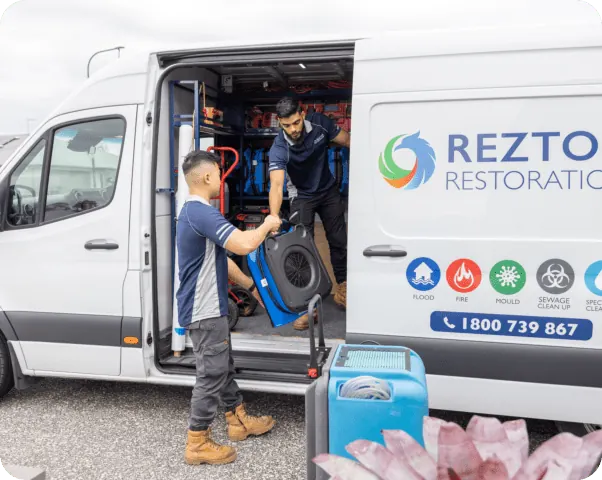
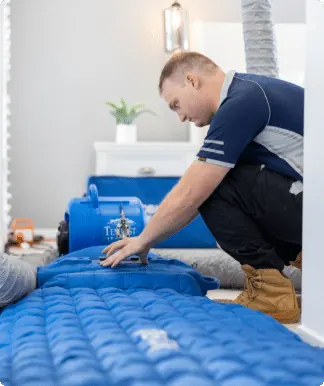
Floods happen because of rainwater runoff. Rainfall typically runs off the land surface into streams, rivers, and oceans. However, sometimes rainfall exceeds the capacity of storm drains and other drainage systems. When this happens, excess water flows onto nearby buildings, causing damage.
Here are some of the procedures we take when assessing your property:
- Inspecting the Property:
Must thoroughly inspect any flood mitigation project before beginning. It helps us figure out the source of the problem and decide on the best course of action. Hence, we must inspect the entire property, including roof, gutters, downspouts, foundation, walls, flooring, etc.
- Determining The Cause Of The Problem:
Once we complete the initial inspection, we must find out the cause of the water damage. That involves locating the source of the leak or break in the system. For example, if there is a crack in the pipe, we must locate where the crack is located. Then, we must determine whether the crack is caused by corrosion, deterioration, or something else. This step also includes determining whether the leak was caused by a burst pipe, broken line, faulty valve, or other causes.
- Identifying The Type Of Flood Damage:
Once we have sorted out the cause of the leak or break, we must now identify the type of flood damage. For instance, if the leak or break occurred due to water seeping into the wall, we would classify the flood as surface water. However, if the leak or rupture happened while the building was under high pressure, we’d say the flood was hydrostatic.
- Identifying the Affected Areas:
After knowing the type of flood damage, we must identify which areas were affected. To do that, we must first measure the area of the flooded space. Next, we must determine how much water entered the room/area. Finally, we must calculate the volume of water that entered the room/area using our standard formulas. If the results indicate severe flood damage, we will recommend immediate intervention. Otherwise, we will let the owner take care of the situation independently.
- Making A Plan Of Action:
After we’ve identified the affected areas, we must develop a plan of action to fix the problem. We may suggest one or more options depending on the severity of the flood damage. But whatever option we choose, we must make sure that it is affordable for the homeowner.