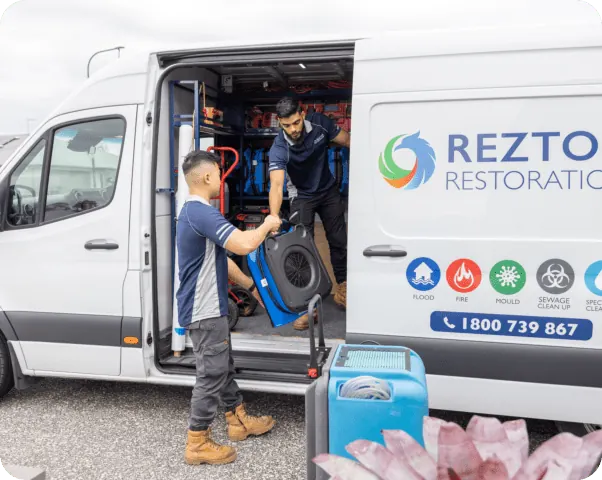
We keep things simple at Ashgrove. Here are the following steps to follow:
Step 1: Inspection:
A thorough inspection of the property is conducted before any repairs are made. It involves assessing the extent of damage caused by water, identifying the source of the leak, and determining the best course of action.
Step 2: Assessment:
Once the inspection is complete, we assess the damage and prepare a detailed report. It provides information about the material required to repair the damage, estimates costs, and identifies potential hazards. In addition, you can use the report to inform your insurance company about the damage. This step also determines whether the job requires specialised equipment.
Step 3: Drying Out:
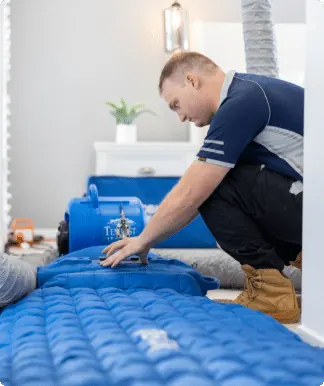
Once the inspection is complete, we begin drying out the affected areas. That may involve removing moisture from wall cavities, ceiling voids, and crawlspaces. This step is critical because it prevents mould from forming and allows air to circulate freely.
Step 4: Clean Up:
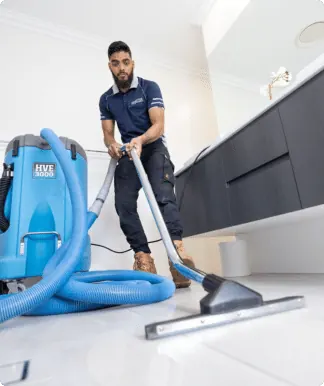
After the drying phase is completed, we clean up the affected areas. We remove debris, wet carpeting, and soaked furnishings. Then we sanitise all surfaces and apply deodorisers to neutralise odours. Keeping the area clean helps prevent further damage and minimises the risk of health problems.
Step 5: Repair:
After cleanup is complete, the next step is repairing the damage. Depending on the severity of the problem, we may need to remove some of the existing materials. Once that’s done, we install new materials using high-quality products.
Step 6: Protection:
Finally, we protect the repaired areas with waterproofing and weatherproofing solutions. They provide long-lasting protection against future floods and leaks.