Reztor Restoration 24/7 emergency1800 739 867
Call 24/7 Send photos

24/7 WATER DAMAGE RESTORATION

Water damage.A clear way forward.

Water damage restoration: assessment, water extraction and controlled drying, with clear advice at each step.

Keep clear of electrical hazards and contaminated water. Stop the source only if safe.

View service areas

Send details and photos for review. Include your location and contact details; call if you need urgent help.

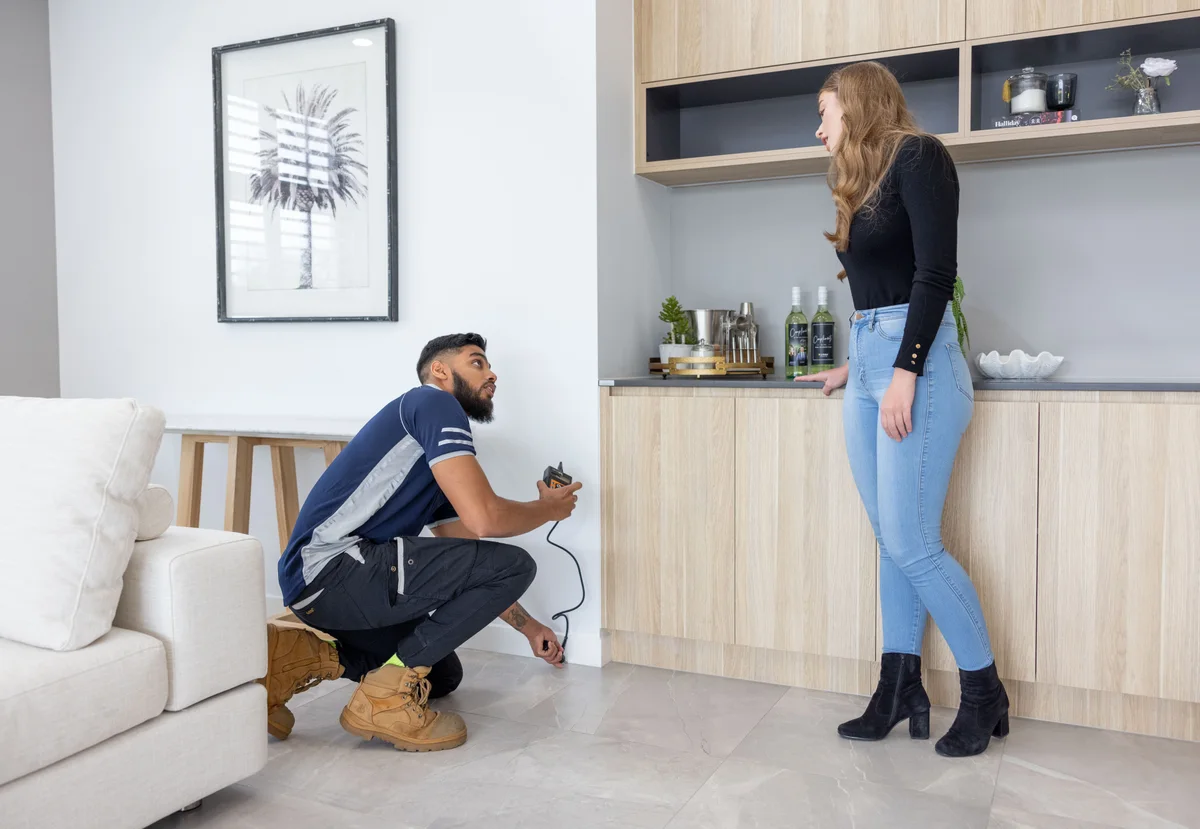
Reztor technician holding a moisture meter and probe while speaking with a woman beside a cabinet
Reztor moisture assessment · The findings, explained to you.
Moisture assessment Extraction & controlled drying IICRC Certified Firm

START WITH YOUR SITUATION

First, let’s work out what you need.

Start with what’s happening now. You don’t need to know the extent of the damage before getting in touch.

Still leaking or flooding?

Keep away from unsafe areas. Stop the source only if safe, then call to discuss the damage and the help needed.

Call for immediate advice

The leak stopped. Still wet?

Carpet, walls, cabinetry and flooring may hold moisture after the visible water is gone. Assessment helps establish what needs drying.

Understand hidden moisture

Possibly contaminated?

Keep people and pets away from the affected area. Call for advice before attempting cleanup or moving contaminated items.

Get help with contaminated water

If safe, take photos and note when the water first appeared. If anyone is in immediate danger, call 000. Read the first-actions guide

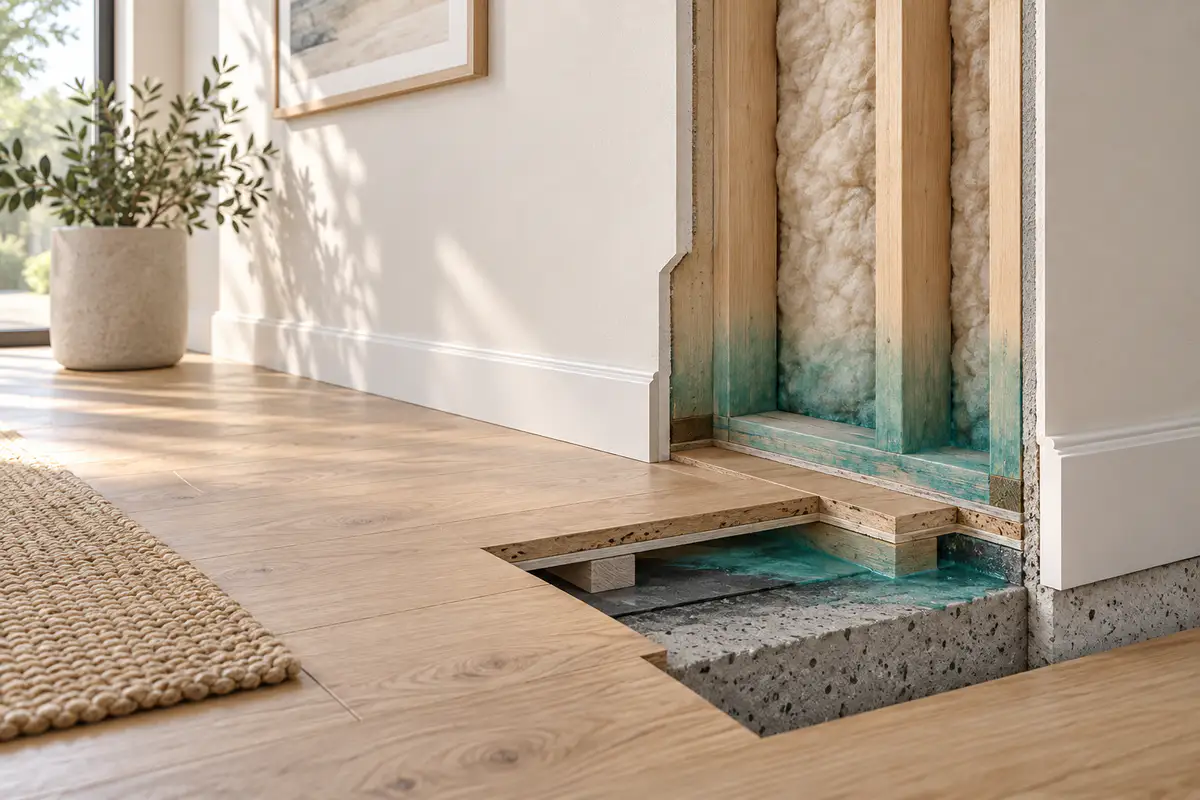
Conceptual wall and floor cutaway illustrating moisture concealed behind wall lining and beneath flooring
Concept illustration. Moisture conditions are confirmed through assessment.

LOOK BEYOND THE SURFACE

Dry on the surface. Still wet underneath?

A dry-looking surface does not confirm that concealed materials are dry. Moisture readings help identify affected areas and where further investigation may be needed.

  • Behind walls

    Wall lining, insulation and framing may retain moisture that is not visible from the room.

  • Beneath flooring

    Underlay, flooring layers and the substrate may need assessment after surface water is removed.

  • Around cabinetry

    Moisture can reach joinery voids, skirtings and adjoining spaces beyond the original leak.

Understand what may be saved

WHAT CAN BE SAVED?

Save what can be saved.

The water source, time exposed, material condition and access all influence whether something can be dried or needs removal.

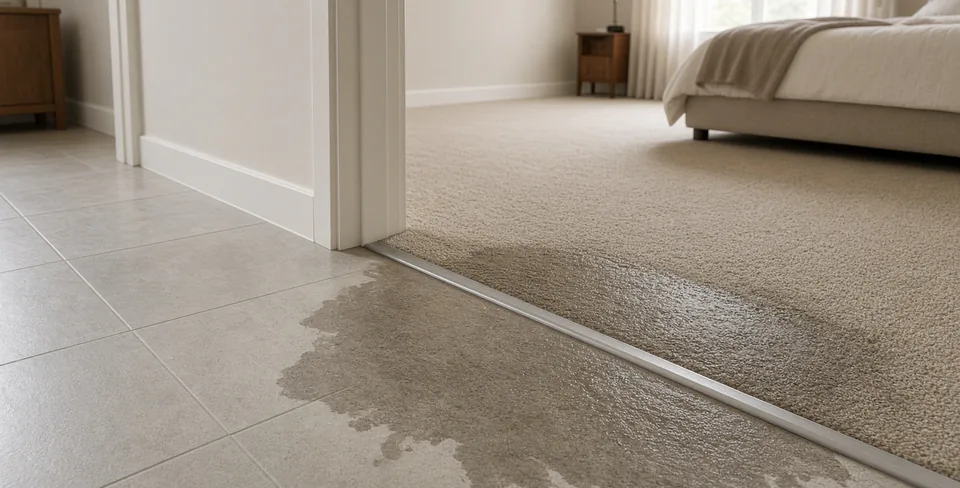
Illustration of wet carpet adjoining a tiled doorway, showing the transition between materials
Illustrative scene · Affected materials need individual assessment.
Carpet & underlay

May be restorable when contamination and material condition allow. Underlay and the floor beneath still need checking.

Walls & framing

Drying may be possible where materials remain sound and moisture can be reached. Damaged lining or wet insulation may need removal.

Cabinetry & joinery

Accessible voids may be dried. Swelling, delamination or contamination can affect what can be retained.

Timber & other flooring

The floor system, trapped moisture and visible damage guide whether drying, further access or replacement is appropriate.

These are general examples. On-site findings and the agreed scope determine the appropriate work.

Tell us what is affected

A CLEAR PLAN FROM THE FIRST VISIT

One step at a time. With you informed.

Assessment. Extraction. Drying. Verification. A considered restoration process, with the findings and decisions explained along the way.

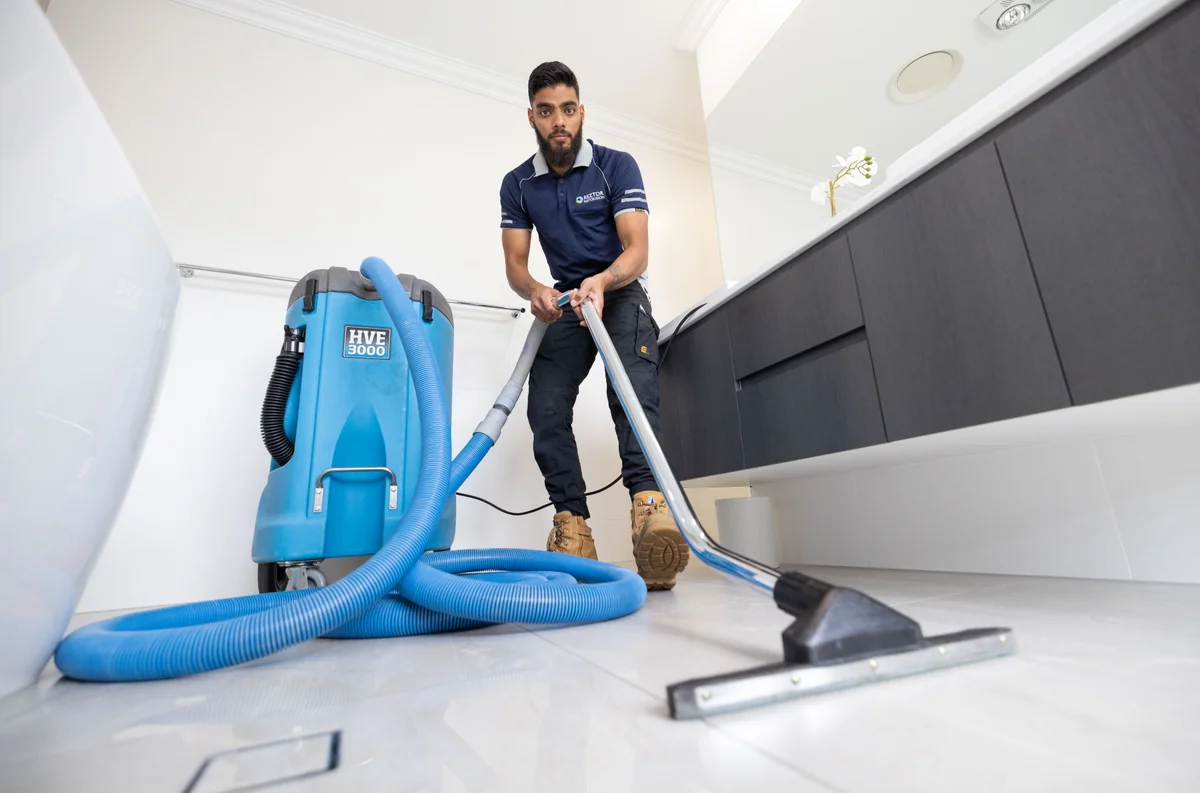
A Reztor technician using a water extraction wand and portable extraction machine.
Reztor extraction equipment in use. The method is selected for the affected materials.
  1. 01

    Understand the damage

    Review the source and safety conditions, inspect accessible areas, take photographs and measure moisture.

  2. 02

    Agree the immediate work

    Explain the findings and proposed scope, including extraction of recoverable water and any protective measures needed.

  3. 03

    Set up controlled drying

    Use suitable equipment and access to address moisture in affected materials. Explain how the setup may affect use of the space.

  4. 04

    Check the progress

    Review moisture readings and material response, adjusting the drying approach where required.

  5. 05

    Explain completion and next steps

    Document the assessed condition and clarify any remaining repairs, specialist work or follow-up requirements.

Not sure what your property needs?

Tell us what happened. We’ll help you understand the next step.

THE QUESTIONS THAT MATTER

Cost, time & insurance.

A useful plan explains what is known, what still needs checking and what you are agreeing to.

01

What will it cost?

Cost depends on the affected area, materials, contamination, access and required work. We explain the recommended scope and charges before additional work is agreed.

02

How long will drying take?

Timing depends on the materials, moisture depth, access and drying conditions. Progress is assessed through readings, with next steps explained as the materials respond.

03

How does insurance fit?

Notify your insurer as soon as practical and ask about authorisation before arranging repairs. Reztor can provide restoration documentation; your policy and insurer determine coverage and reimbursement.

Reztor or your insurer first?

THE REZTOR APPROACH

Decisions you can understand. Records you can keep.

The documentation provided depends on the incident and agreed scope. We explain the findings and the decisions they support.

  • The condition we find

    Photographs, observations and moisture readings help record the affected areas and inform recommendations.

  • The work we recommend

    A clear scope identifies the proposed restoration work and any access, approval or specialist dependencies.

  • The progress and next stage

    Monitoring records and completion notes, where included, help explain the material response and remaining work.

IICRC Certified Firm Reztor Australia Pty Ltd

REZTOR RESTORATIONIllustrative example

Water damage restoration

Assessment & drying record

  1. Affected areas

    Location · Material · Observations · Moisture readings

  2. Recommended work

    Proposed scope · Access needed · Agreed next steps

  3. Progress & completion

    Monitoring notes · Material response · Remaining work

Example layout only, not a customer report or evidence of completed work. Records depend on the incident and agreed scope.

YOUR QUESTIONS, ANSWERED

Questions before you get started.

Talk it through with our team if you are unsure where to start.

Call 1800 739 867
Should I call or send photos?

Call if water is still entering, contamination may be involved or you need immediate advice. Photos can help explain a stable situation, but they cannot confirm hidden moisture or replace an on-site assessment.

The surface feels dry. Does it still need checking?

It may. Moisture can remain beneath flooring, behind wall lining or inside cabinetry after the surface dries. The incident history and moisture assessment help determine whether further action is needed.

Can I stay in the property during drying?

This depends on the hazards, affected rooms and work required. Equipment may create noise and restrict access. Keep away from contaminated water, electrical hazards and unstable materials, and discuss safe access and occupancy with the team.

Will my insurer pay for the restoration?

Coverage and reimbursement depend on your policy and claim. Contact your insurer promptly and check the authorisation required for proposed work. Reztor can provide documentation of restoration findings and work within the agreed scope.

Does Reztor repair the leak or rebuild damaged areas?

Restoration addresses the resulting water damage. Leak repairs, electrical work, structural assessment and rebuilding may require other qualified trades or specialists. We explain where the restoration scope ends and another party may be needed.

What information should I have ready?

Share the property address, when the water appeared, whether the source has stopped and which areas seem affected. Mention any suspected sewage or electrical hazards. Take photos only from a safe position; you do not need all the answers before calling.

LET’S WORK OUT THE NEXT STEP

You don’t need to have all the answers.

Tell us what happened. We’ll help you understand the situation, the questions that need checking and the next practical step.