The fire may be extinguished while access, utilities or investigations remain unresolved. Start with the instructions from the responsible authorities.
Access is still restricted
Stay outside the restricted area. Let us know the access status so restoration planning can account for release and specialist requirements.
Do not disturb debris or reconnect utilities. Photograph damage only where access is permitted and safe. See the restoration sequence →
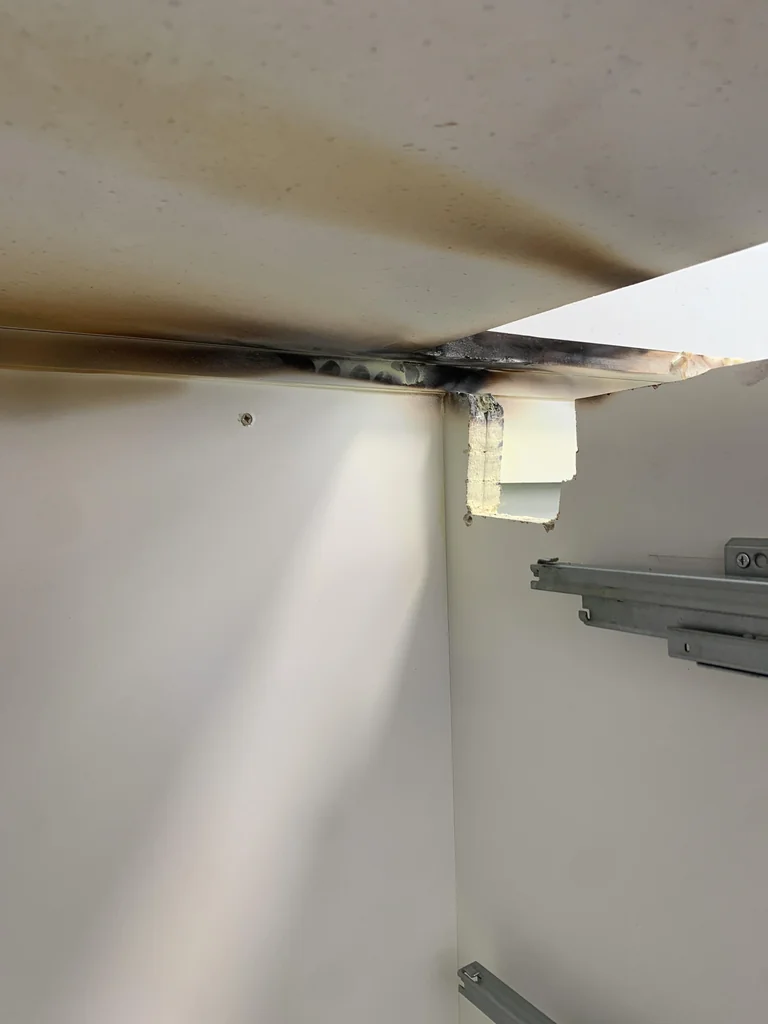
From Reztor’s job-site marketing archive. Concealed surfaces can reveal damage missed from the room.
BEYOND WHAT LOOKS BURNT
The visible damage is only part of the assessment.
Residues, heat, odour and firefighting water can affect different materials in different ways. Assessment establishes what needs cleaning, further access or specialist attention.
01
Residues beyond the fire
Smoke pathways and surface deposits help identify where closer inspection is needed, including adjoining rooms, openings and accessible voids.
02
Odour held in materials
Contents, finishes and concealed spaces may retain odour sources. A fresher smell alone does not establish that the restoration work is complete.
03
Moisture and building systems
Hose water, sprinklers and damaged plumbing may create a separate drying need. Electrical, structural and ventilation-system concerns may require other specialists.
A useful assessment separates cleaning possibilities from damage that needs replacement or specialist review.
01Walls, ceilings & cabinetry
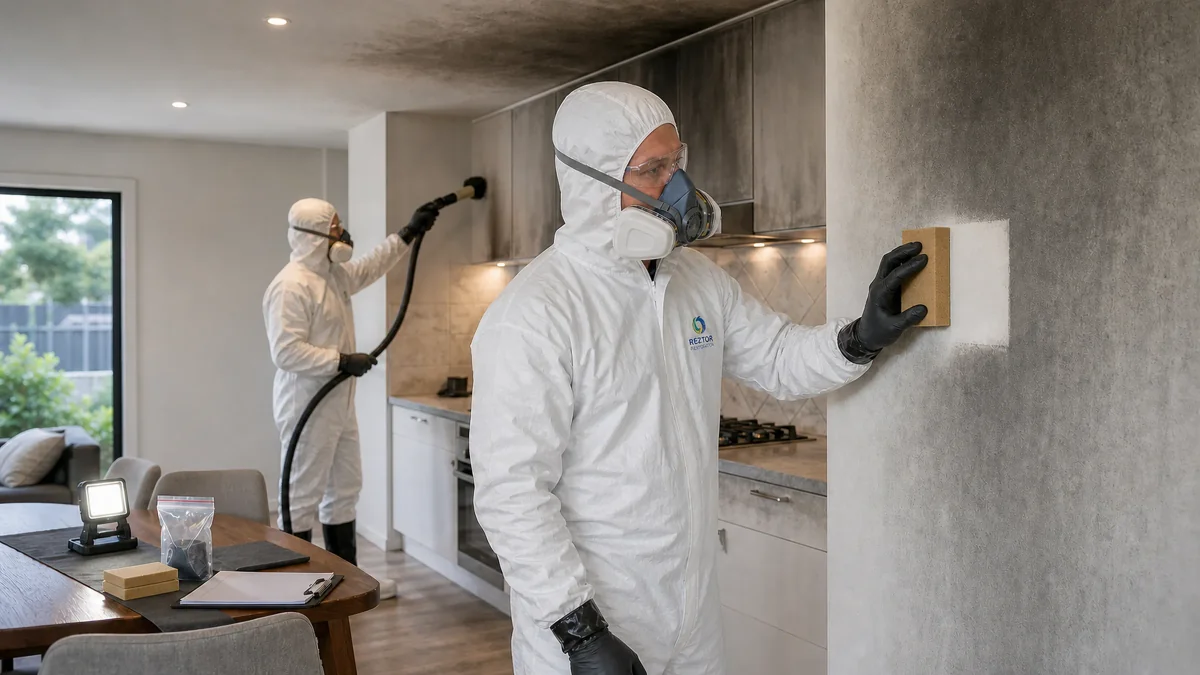
Test cleaning can help establish how a surface responds. Heat distortion, damaged finishes or residues in inaccessible areas may change the restoration options.
02Carpet, fabrics & soft contents
Fabric type, residue, odour and any firefighting water influence whether cleaning is practical. Some items need specialist processing or replacement.
03Furniture, documents & valuables
An inventory helps identify priority items and agree handling. Sensitive, sentimental or valuable contents may require a separate specialist assessment.
04Electrical items & building systems
Appearance does not establish electrical or operational safety. A suitably qualified professional must assess affected equipment and utilities before they are used.
Cleaning response, heat damage, material condition, odour and access guide the recommendations. Important belongings can be discussed before decisions are made.
The recovery plan should make the work, approvals and responsibilities easier to understand.
01
What will the work cost?
Residue distribution, heat damage, contents, water, access and specialist requirements affect the scope. We explain proposed charges and how new findings will be discussed.
02
When can I return?
Restoration, structural repairs, utilities and occupancy decisions can follow different timelines. Ask which milestone is being discussed and what still needs clearance or repair.
03
What should I do about insurance?
Notify your insurer promptly. Check authorisation before engaging services and agree documentation before disposal. Reztor can provide restoration records; the insurer determines coverage and reimbursement.
Yes. You can discuss the incident and access status while authorities complete their work. Assessment and restoration inside restricted areas must wait until access is permitted and relevant hazards and conditions are understood.
Should I try to clean soot myself?
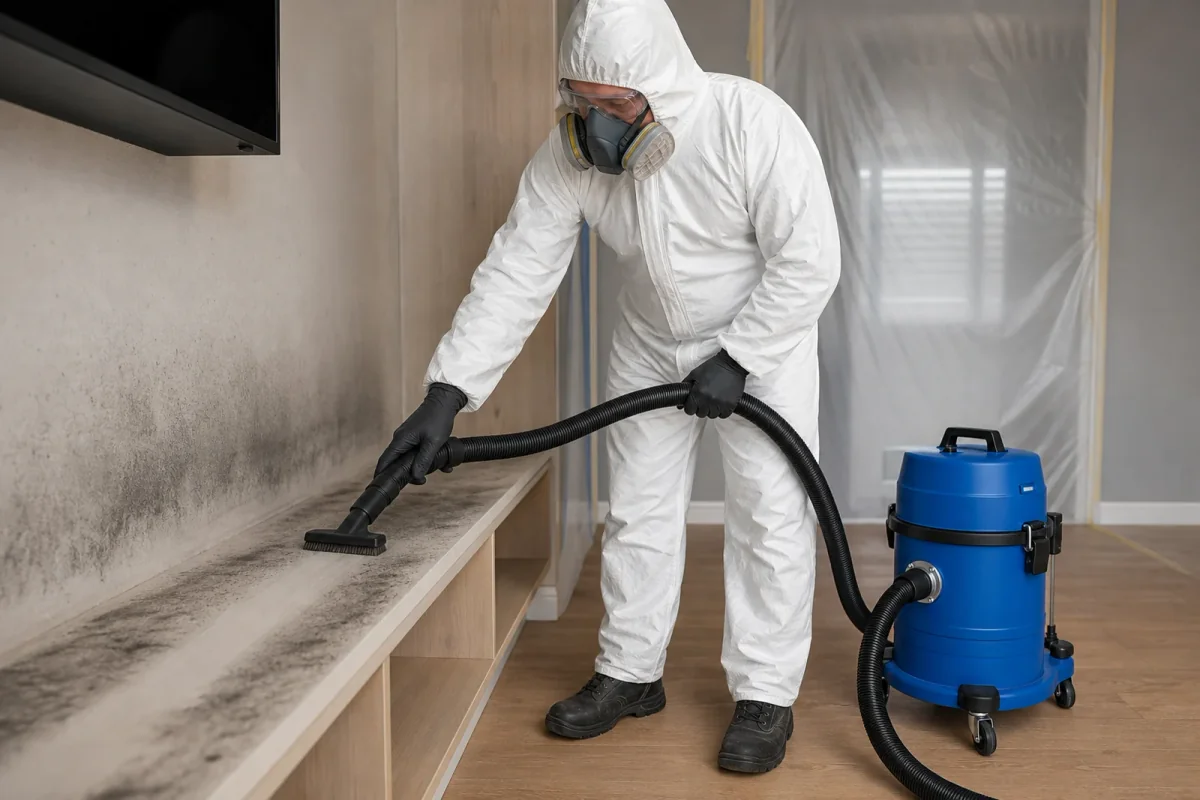
Avoid extensive wiping, brushing or household vacuuming of fire residues. The wrong method may spread residue or damage a finish. Keep affected items in place and seek assessment before cleaning or moving them.
Can smoke affect rooms that did not burn?
It can. Smoke can travel beyond the source room and leave residues elsewhere. Assessment follows likely pathways and observed conditions; it does not assume that every room needs the same treatment.
Can all smoke odour be removed?
No outcome should be promised before assessment. The sources, materials, access and cleaning response determine what is practical. Some materials may need removal or replacement, and residual concerns may require further investigation.
Can I turn the air conditioner back on?
Do not restart an affected system simply because the fire is out. Let the team know whether it was operating during the incident and ask whether specialist inspection or cleaning is needed. Electrical safety requires the relevant qualified professional.
Will my belongings be thrown away?
Contents should be recorded and assessed within the agreed scope. Tell us which items matter most. Cleaning, specialist referral and disposal decisions need the appropriate owner and insurer input; avoid discarding items before those requirements are understood.
Does restoration include rebuilding the property?
Cleaning, odour-source work and drying are different from reinstating finishes, structural repairs and utility work. The agreed scope sets out what Reztor will do and where other qualified trades or approvals are needed.
Tell us about the fire, smoke or soot and the current access restrictions. We will help you understand the restoration questions and the next practical step.