Step 1: Identify the extent of the damage. The first place to begin is by inspecting the entire area to determine the extent of water damage. Check cracks, corners, seams and edges for wet spots. It is the first step in determining how much work needs to be done.
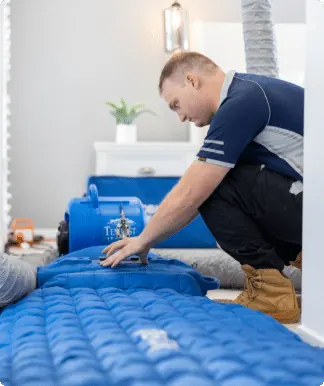
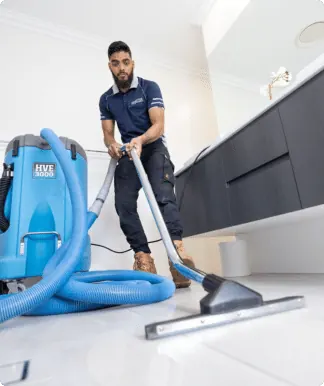
Step 2: Begin drying out any affected areas. Once you’ve identified where the water damage has occurred, it’s time for you to begin drying out dry surfaces. You can do this by using a moisture-proof vacuum hose, dehumidifier or professional wet/dry vacuums. However, make sure that you use a machine that quickly removes water, as this is the only way to dry your property.
Step 3: Remove all affected materials to a clean space. Once you’ve completely dried out the affected area, you should remove all affected materials to a clean space. For example, placing carpeting and flooring rolls in plastic bags and placing them in a well-ventilated area, such as your garage, will help prevent mould growth.
Step 4: Sanitise affected areas with professional products. Once you’ve removed all the affected materials, you must sanitise any remaining moisture with professional-grade sanitary products and disinfectants. The following is a list of suitable materials to use when sanitising:
Step 5: Place materials back in their rightful place. Once you’ve taken off the old carpeting and replaced it with new carpeting, it’s essential to put everything back the way it was.