
Mould assessment & remediation
Mould assessment& remediation.
Understand what is affected before cleaning, removal or repairs.
Avoid disturbing affected material. Keep clear of electrical hazards and damaged ceilings.
View service areasSend photos for a non-urgent enquiry. If water is still entering or you need immediate advice, call.
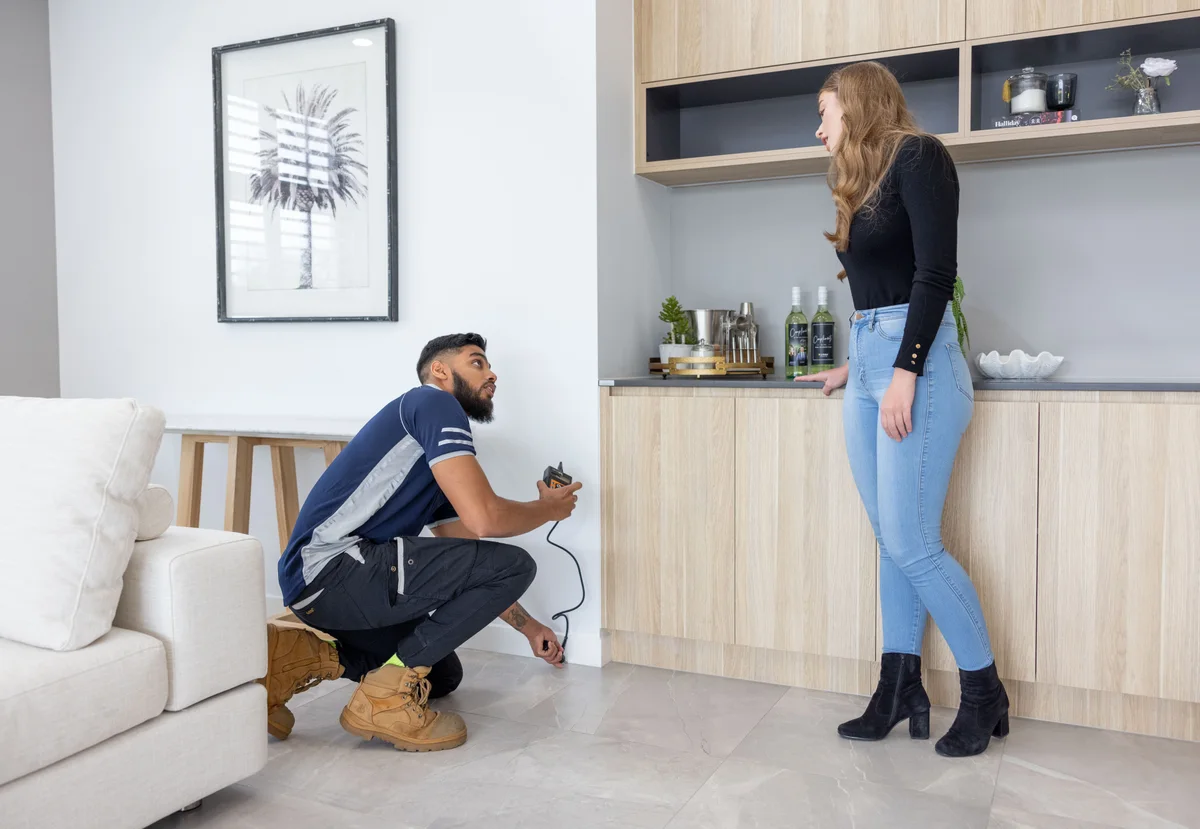
Start with what you have noticed
You don’t need to diagnose it first.
Tell us what you can see or smell, when it appeared and whether there has been a leak.
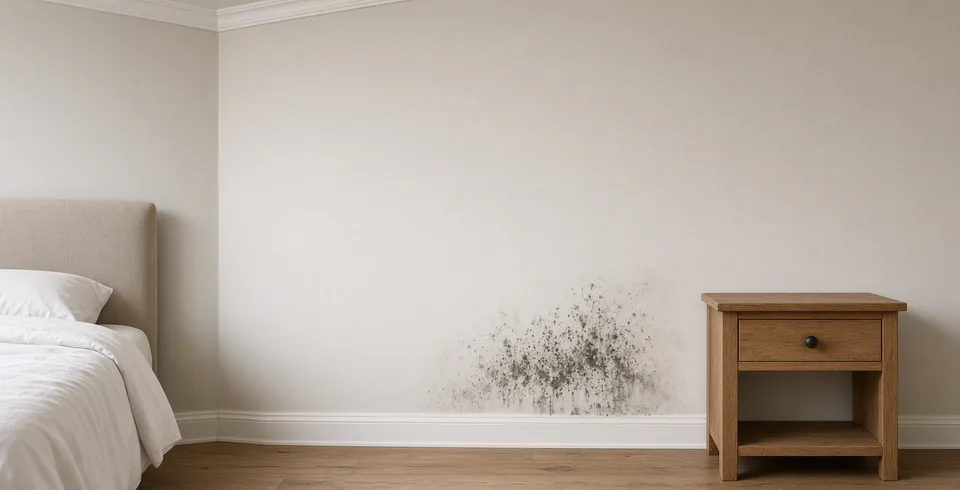
Visible marks or growth?
Take photos from a safe position. Avoid scraping or opening affected material to investigate. We can help you work out the next assessment step.
Send details & photosIt keeps coming back?
Recurring growth can point to unresolved dampness. Cleaning the surface may leave the underlying problem in place.
Understand the moisture sourceMusty smell after a leak?
A persistent odour or dampness can justify investigation even when the source is out of sight. Call if water is still entering.
Get water-damage helpAvoid dry brushing, sanding or directing a fan across visible mould. Seek medical advice for health concerns; call 000 in an emergency. Understand the assessment
Water still in the property after a leak or flood? Start with 24/7 emergency water damage help, so the water is removed and drying can begin before mould is addressed.
A clear next step · 41-second guide
Mould concerns: what to look for
Understand possible signs of moisture damage, why the source matters and when larger areas or recurring mould need assessment.
Read the video transcript
Spotted mould after water damage? Here's what to look for, and what to do.
A musty smell or visible growth is worth having assessed. Bubbling or peeling paint can also be a sign of moisture damage.
Mould grows when moisture stays. Wiping the surface usually doesn't fix the cause.
Don't scrub or dry brush large areas of mould. It can spread spores through the house.
Take photos, and note where you can see it or smell it.
For larger areas, or mould that keeps coming back, call Reztor. We find the moisture behind it, remove the mould safely, and dry the area properly.
Reztor. One call. A clear path forward.
Materials and belongings
A considered decision for each material.
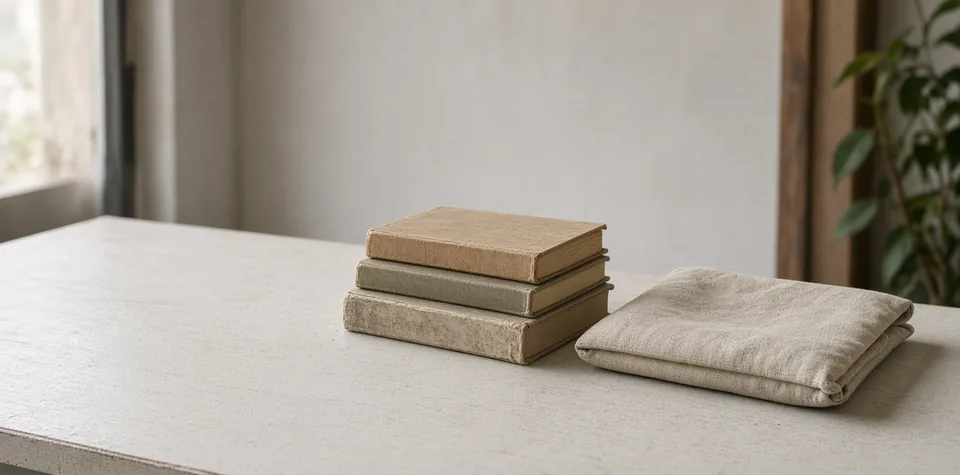
Some surfaces can be cleaned. Other materials may need controlled removal or specialist attention. The decision follows assessment.
Walls & ceilings
Surface growth, material damage and access to the other side all matter. Affected plasterboard or insulation may need removal.
Timber & cabinetry
Condition, swelling and access influence whether surfaces can be cleaned and dried, or parts need removal.
Carpet & underlay
Growth can extend into absorbent layers. Mould-contaminated carpet or underlay may need removal; drying alone does not remove mould.
Furniture & valued belongings
Assess contents separately. Ask about suitable cleaning or specialist options before deciding what can be retained or discarded.
These are general examples. The findings, material condition and agreed scope determine the work.
Tell us what is affectedA plan you can follow
From assessment to a clear handover.
The approach depends on the extent, materials, moisture conditions and use of the property. We explain the work and its effect on access.
- 01
Assess and explain
Review the history, inspect accessible areas and record relevant observations and moisture information.
- 02
Agree the scope and controls
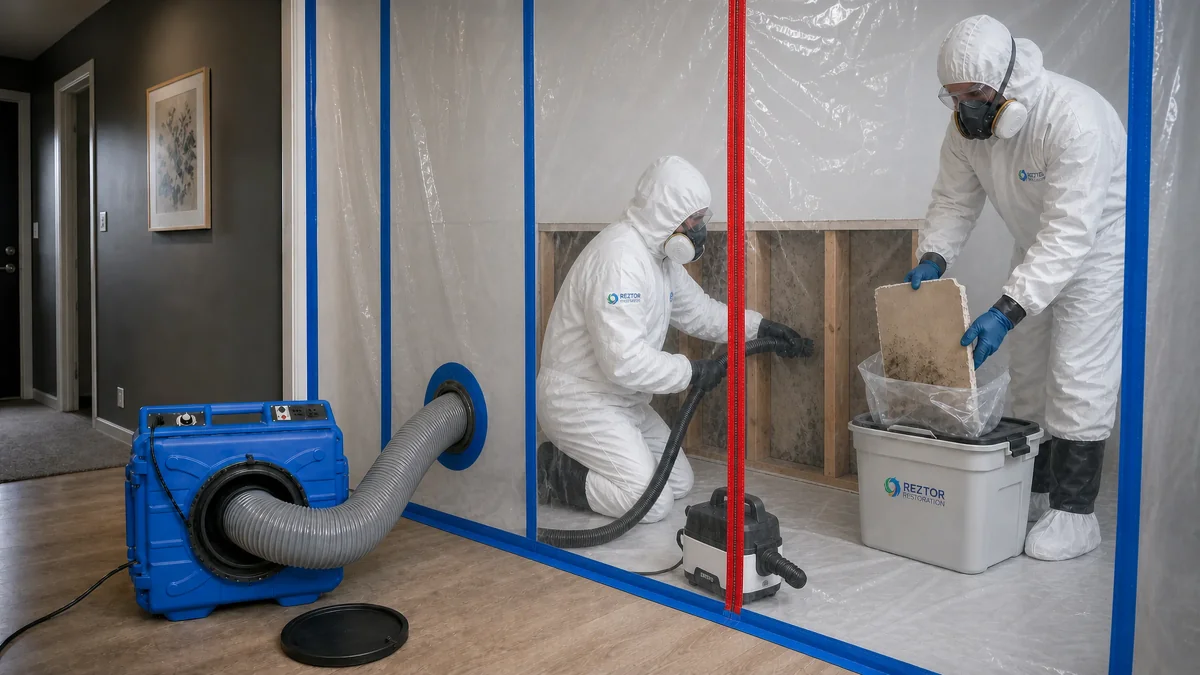
Clarify the work area, contents, access and responsibilities. Plan separation or air controls where the assessed work requires them.
- 03
Clean or remove affected material
Carry out the agreed physical cleaning and controlled removal, using methods suited to the materials and conditions.
- 04
Address moisture and review the work
Review retained materials and moisture conditions. Clarify any source repairs or specialist checks still required.
- 05
Document the next stage
Explain the completed scope, any verification requirements and remaining repairs before finishes are reinstated.
Not sure where to begin?
Tell us what you have noticed. We’ll help you understand the next practical step.
Plan around your property
Cost, timing & everyday access.
A useful scope explains the work, the likely disruption and the decisions needed before it proceeds.
What affects the cost?
Extent, materials, access, removal, contents and specialist input influence the scope. Ask for the inclusions and any conditions that could change the price.
Can I use the property?
Access and timing depend on affected rooms, work controls, drying and any follow-up work. Discuss occupancy and access before remediation starts.
Will insurance help?
Ask your insurer about cover and authorisation for proposed work. Reztor can provide restoration information within the agreed scope; your policy and insurer determine the claim outcome.
Findings you can understand
Clear decisions. A useful record.
Records help explain what was found, what was agreed and what needs to happen next. The documentation provided depends on your scope.
The observed condition
Photographs, observations and relevant moisture readings describe accessible affected areas and inspection limits.
The remediation scope
The proposed work identifies material decisions, work controls and any source-repair or specialist dependencies.
The handover
Work records explain the agreed completion review, any verification still required and the next repair or follow-up stage.
IICRC Certified Firm Reztor Australia Pty Ltd
Mould remediation
Mould assessment & scope record
Observed conditions
Areas inspected · Visible conditions · Moisture information · Inspection limits
Agreed work
Cleaning or removal · Access and controls · Source-repair responsibilities
Completion & follow-up
Work completed · Review requirements · Remaining repairs
Questions before you get started
Let’s make the next step clearer.
Talk it through with our team if you are unsure where to start.
Call 1800 739 867Should I call or send photos?
Send photos and details for a stable, non-urgent concern. Call if water is still entering or you need immediate advice. Photos help explain the situation but cannot establish concealed conditions or a final scope.
Can I clean mould myself?
Small areas on suitable surfaces may be manageable using public-health guidance. Avoid disturbing extensive, recurring or concealed growth. If the cause or material condition is unclear, get advice before attempting removal.
Do I need mould testing?
Not every project needs sampling. Testing should answer a specific question and be planned and interpreted by an appropriately experienced specialist. Ask what the result would change about the recommended work.
Does visible mould mean it is behind the wall?
It does not confirm concealed growth. The history, material condition, moisture information and inspection limits guide whether further investigation is justified.
Will mould return after remediation?
It can return if moisture remains or develops again. Source repairs, drying and ongoing moisture management matter alongside cleaning or removal.
How long does remediation take?
Timing depends on the extent, access, materials and whether drying, source repairs or specialist checks are needed. The proposed scope should explain the stages and what could affect the schedule.
Does remediation include leak repairs and rebuilding?
Those may be separate stages requiring qualified trades or other specialists. Clarify who is responsible for source repairs, verification and reinstatement before work begins.
What if someone is concerned about their health?
Seek advice from a health professional. A property assessment helps establish building conditions; it does not diagnose the cause of symptoms or provide a medical clearance.
Start with what you know
Tell us what you’ve noticed.
Visible mould, a musty smell or dampness that keeps returning — we’ll help you understand what needs checking and the next step.