Reztor Restoration 24/7 emergency1800 739 867
Call 24/7 Send photos

QUALIFICATIONS & STANDARDS

Confidence comes fromknowing what sits behind the work.

Qualifications are a useful starting point. For your property, the important questions are how it will be assessed, why a method is recommended and how the result will be checked.

Need credentials for a property, tender or procurement review? Tell us the specific qualification and service scope you need to check.

View service areas
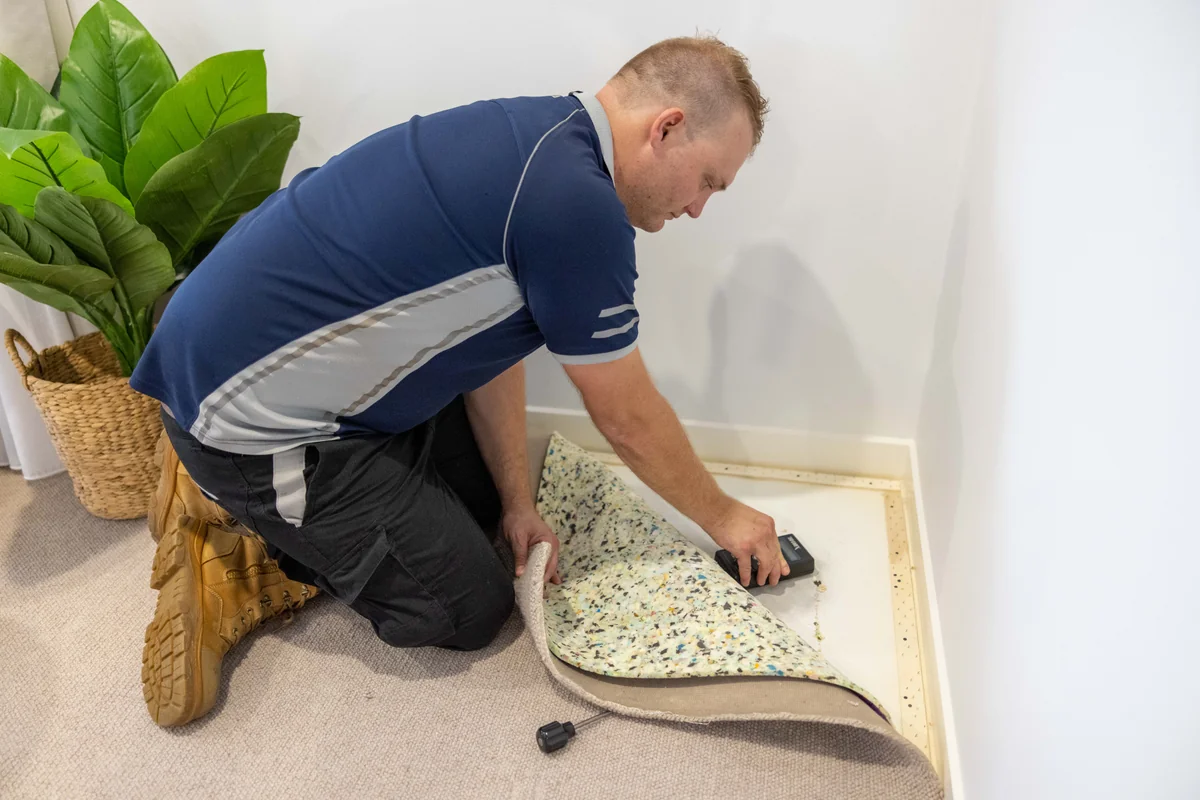
Reztor technician using a moisture meter beneath lifted carpet and underlay
Reztor photography · Checking the material beneath the visible surface.

Certified management systems

Quality, environment and workplace safety.

Reztor Australia Pty Ltd holds the following management-system certifications from Intertek SAI Global for the provision of Restoration Services and Insurance Repairs. Certificates show validity through 14 May 2028. Request certificate details and scope for your procurement requirements.

SAI Global certified system mark — ISO 9001
ISO 9001:2015Quality management
SAI Global certified system mark — ISO 14001
ISO 14001:2015Environmental management
SAI Global certified system mark — ISO 45001
ISO 45001:2018Occupational health and safety

KNOW WHAT YOU ARE CHECKING

A firm, a person and a work method are different things.

Understanding the distinction helps you ask for the right evidence.

Firm certification

This relates to the business. It is useful to check the named legal entity, current status and scope relevant to the services you need.

Individual qualifications

These relate to a person’s training or certification. Ask about the relevant qualifications of the people carrying out or supervising your work.

Restoration standards

Standards describe industry methods and procedures. A reference to a standard is different from a certificate for a particular person, property or job.

WHAT THIS MEANS AT YOUR PROPERTY

The method should connect to the findings.

Ask how assessment, the proposed work and completion checks fit together. A clear answer helps you understand the decisions being made.

The appropriate method and checks depend on the incident, materials and agreed scope. A credential alone cannot establish the condition of a property.

Useful questions for your assessment

  • What has been assessed?

    Which areas and materials were checked, and what could not be accessed?

  • Why is this work recommended?

    How do the observations and readings support the proposed method?

  • How is progress checked?

    What observations or measurements will guide the next decision?

  • What does completion mean?

    What final checks and records are included, and what sits outside the scope?

A PRACTICAL APPROACH

From a credential to a clear scope of work.

You can ask for this information before deciding whether the proposed restoration work suits your requirements.

  1. Describe your requirements

    Tell us the damage type, property use and any owner, insurer or procurement conditions that need to be addressed.

  2. Check relevant credentials

    Ask for current information about the business and qualifications relevant to the proposed service.

  3. Review the method

    Discuss the assessment, work proposed, monitoring and any further specialist involvement that may be needed.

  4. Confirm the records

    Agree what work and checks will be documented, along with any limits or exclusions in the scope.

STANDARDS IN CONTEXT

Professional methods, explained in plain language.

IICRC publishes standards for restoration work. The relevant subject and method depend on the damage being assessed.

Water damage

Water restoration standards address assessment and professional restoration methods. For your property, ask how moisture checks, material decisions and drying progress will be recorded.

Mould remediation

Mould remediation has its own standards and assessment considerations. Ask how the affected area, moisture cause, work controls and completion checks will be addressed.

Fire & smoke

Fire and smoke restoration has a distinct assessment and restoration process. Ask which materials need specialist attention and what further work falls outside the restoration scope.

YOUR QUESTIONS

Know what the evidence means.

If your situation does not fit a simple answer, talk it through with us.

Talk to Reztor
Can I request your current qualification details?

Yes. Tell us the service, firm credential or procurement requirement you need to verify. We can discuss the relevant information and scope before work is agreed.

Does firm certification mean every employee holds every qualification?

No. Firm certification and an individual’s qualifications refer to different things. Ask which qualifications are relevant to the people carrying out or supervising the proposed work.

Does a standard guarantee that everything can be restored?

No. Restoration options depend on the damage, materials, contamination, access and assessment findings. Some materials may need removal or further specialist assessment.

Is a restoration report the same as an independent clearance?

No. Work records describe the restoration and checks carried out. If an independent assessment or clearance is required, discuss the person responsible, criteria and arrangements separately.

What should I ask before approving the work?

Ask what was assessed, why the method is recommended, who is responsible for the work, how progress and completion are checked, and what records or exclusions form part of the agreed scope.

ASK THE QUESTIONS THAT MATTER

Let’s make the proposed work clear.

Send the property details and any qualification or reporting requirements. We can discuss what is relevant to your restoration needs.