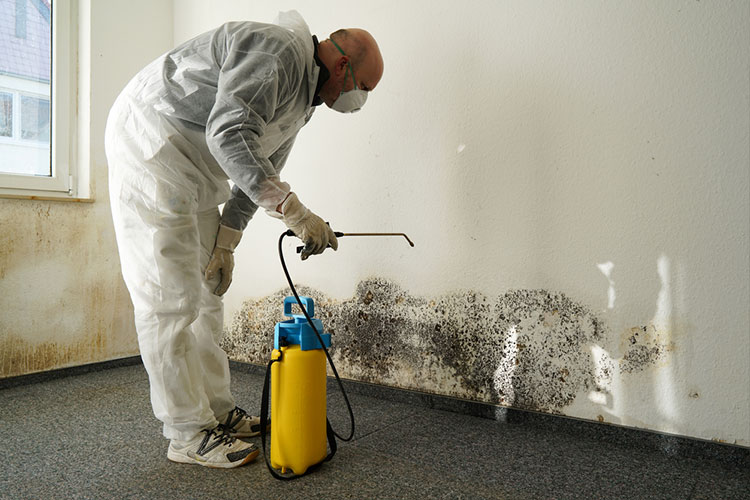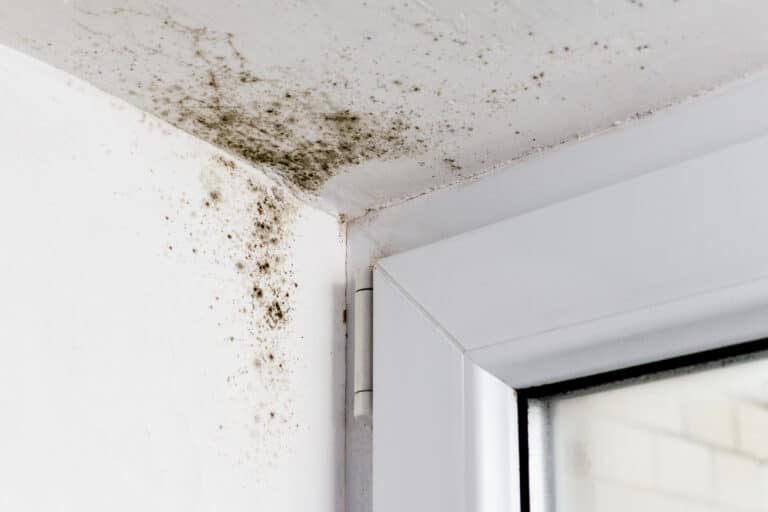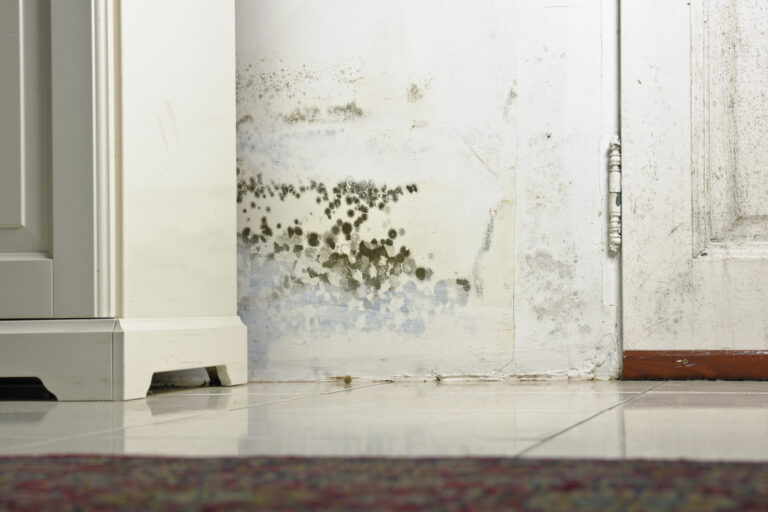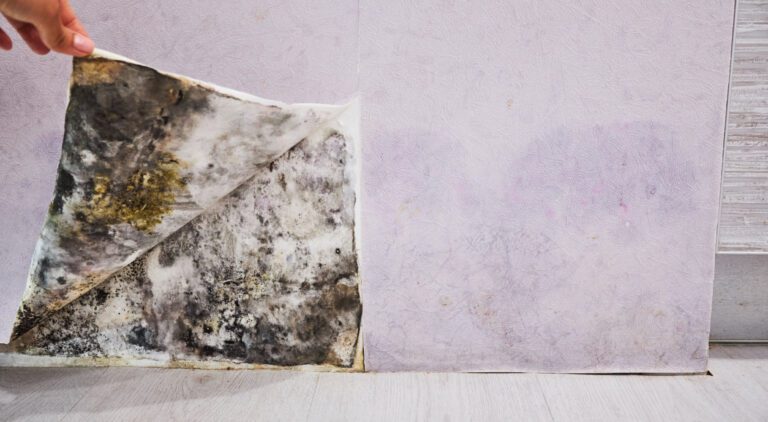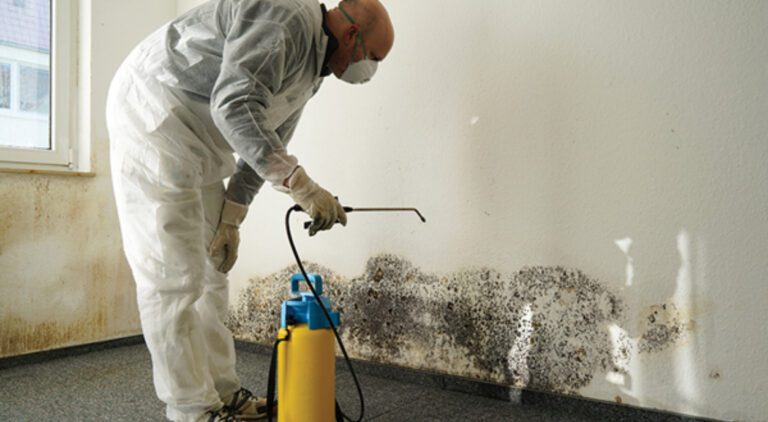
Noticed mould, a musty smell or dampness that keeps returning? Start with what to do when you find mould, including the details to record and when to get advice before cleaning.
Mould’s presence is the most obvious indicator. You might smell mould in the air. If visible mould is present, it should be addressed. It implies that mould impacts your family members’ health even if you…
Don’t risk catching a respiratory infection or being embarrassed by your house’s musty odour by ignoring mould. Understanding how mould grows and how to eliminate it will assist you in keeping your living area feeling…
Mould in your house can be a frightening topic. Mould should be avoided by both house and business owners since it has been connected to health issues. It can be dangerous for people who come…
Mould is a fungus that grows naturally on many surfaces, including wood, paper, fabrics, metals, concrete, plaster, drywall, and even your skin. It is found everywhere but most commonly in moist, warm environments such as…
Unfortunately, concrete and cement surfaces do not resist mould growth. Mould can grow on this rough surface if the conditions are correct. Although rigid materials such as concrete appear impermeable, they can be highly porous.…
If a storm or flood has damaged your property, you have approximately 24 to 48 hours to avoid mould and mildew. The mould can be exceedingly dangerous to your and your family’s health. You must…