
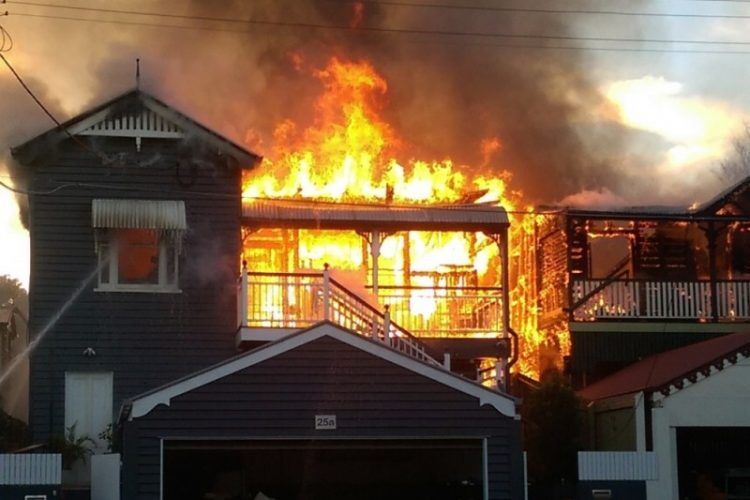
A business fire-safety plan helps people know what to do before an emergency happens. Prepare and practise the response in advance: an evacuation is not the time to research procedures or collect documents.
If there is a fire, follow the site’s emergency procedures, get to safety and call Triple Zero (000). Do not delay evacuation to save stock or paperwork, and do not re-enter until the relevant authorities say it is safe.
Why your business needs a fire-safety plan
People, premises and operations differ. A kitchen, workshop, shop and shared office need plans that reflect their own risks, layout and occupants. Staff changes, visitors, contractors and people who need assistance also matter.
WorkSafe Queensland explains that workplace emergency planning covers response and evacuation procedures, emergency-service notification, medical assistance, communication, testing and worker instruction. Use its first aid and emergency plans guidance to understand the requirements. Building fire-safety obligations also need attention; a general website article does not establish whether a particular workplace complies.
What to discuss when preparing the plan
Work through these topics with the people responsible for the premises and appropriate fire-safety advisers. They are discussion prompts, rather than a complete compliance checklist:
- How people recognise an emergency and raise the alarm.
- Evacuation routes, exits and an appropriate assembly point.
- Who coordinates the response and how staff, visitors and contractors are accounted for.
- How people who need assistance will be supported.
- Emergency contact information and communication with emergency services.
- Relevant equipment, staff instruction and responsibilities for keeping arrangements current.
- How procedures will be practised, tested and reviewed.
The Queensland Fire Department publishes building-owner and occupier forms and templates, including evacuation-plan examples. Choose resources appropriate to your building and obtain advice where responsibilities or requirements are unclear.
Plan for business disruption as well as evacuation
Life safety comes first. Separately, consider how essential records, supplier contacts, customer communication and temporary operating arrangements could be accessed if the premises cannot be used. Prepare these arrangements before an incident, without relying on someone returning to an unsafe building.
Business Queensland’s incident response planning guidance can help structure that preparation. A plan supports decisions; it cannot guarantee that damage, downtime or financial loss will be avoided.
What happens after a business fire?
Once emergency services have dealt with the incident, confirm access restrictions and safety advice before organising property work. Fire damage, smoke residues and water used during firefighting can require different assessment and restoration decisions. Electrical, structural or hazardous-material concerns may need the appropriate specialist before access or cleaning proceeds.
Contact your insurer about notification, evidence and any approvals needed for proposed work. Keep records of instructions and decisions. Our guide to working with your insurer explains how restoration documentation fits into that conversation; policy cover and claim decisions remain with the insurer.
Arrange a restoration assessment
For fire and smoke restoration, tell Reztor the property location, incident date, affected areas and known access restrictions. Explain whether the business is still operating and who is coordinating the property response. Ask what can be assessed, what needs specialist input and what the proposed work would include.
Send the business property details and safe photos, or call 1800 739 867 to discuss restoration assistance. Only take photographs where access is safe and authorised. Restoration enquiries do not replace emergency services or workplace fire-safety advice.