
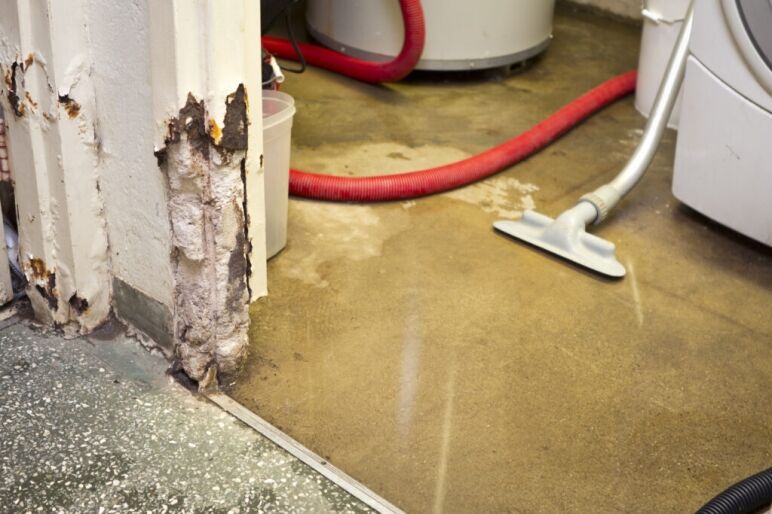
After water damage, leftover moisture can allow mould to grow. Prevention is mainly about drying materials thoroughly and fixing the source of the water. This page explains practical steps. It is not a medical guide, and it does not guarantee a health outcome. For health concerns, talk to a doctor. NSW Health has public information on mould and dampness in the home.
Practical prevention after water damage
- Remove standing water if it is safe to do so, and start drying as soon as you can.
- Dry carpets, underlay, wet clothing and hard surfaces thoroughly. A surface that feels dry can still hide moisture in underlay or wall bases.
- Improve airflow and use a dehumidifier where humidity stays high, in addition to finding the leak.
- Check under furniture and along skirting. A musty odour is a reason to have the area assessed.
For wet carpet specifically, see wet carpet drying. For growth that is already present, see mould remediation.
Your insurer decides cover. Acting early can limit further damage; it does not guarantee that a claim will be paid. Reztor documents the work; the insurer decides cover.
We assess the moisture, contain and remove affected material as agreed, and record the work. We do not guarantee a health outcome, and we do not promise that a home will be mould-free. Reztor’s own team works across Queensland, New South Wales and Victoria. Call 1800 739 867, day or night. We’ll confirm attendance time for your address when you call.